
Safety information
Safety information
Toxicity: Low once cooked. Raw fresh plant stings (formic acid/histamine in trichomes) — mechanical/chemical irritation, not systemic poisoning.
Contraindications: Handle raw plant with care (sting); generally safe as a cooked food. Theoretical caution with diuretics (mild diuretic reputation).
Interactions: Mild; theoretical additive diuretic effect; possible minor effect on blood-glucose/BP (genus-level).
Evidence level
Documented in systematic traditional medicine literature.
Preparations
dried · young shoot/leaf
Part used: young shoot/leaf
decoction · young shoot/leaf
Part used: young shoot/leaf
external use; fibre use · whole herb
Part used: whole herb
cooked (soup, greens) · young shoot/leaf
Part used: young shoot/leaf
Traditional use: staple Plateau wild green and folk medicine — wind/joint complaints, tonic/blood food, external use; survival food and rheumatic remedy(Folk and historical sources have not been validated by clinical research.)
Proposed mechanism: flavonoids, chlorophyll, minerals (iron, calcium), vitamins (A, C, K), formic acid/histamine/serotonin in stinging hairs — anti-inflammatory and nutritive; cooking/drying neutralises the sting
Associated conditions
Edibility
Edible parts: Young leaves/shoots eaten COOKED (the sting is destroyed by cooking/drying); never eat raw.
Toxic lookalike warning
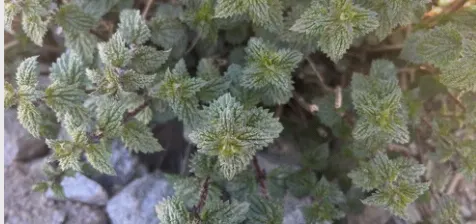
Young nettles can be confused with other square-stemmed Lamiaceae and with toxic look-alikes lacking stinging hairs — confirm the stinging-hair identity; wear gloves to harvest.
Nutritional notes
Excellent leafy-green nutrition — high iron, calcium, vitamins A/C/K and protein for a wild green; recognised functional food.
Healing traditions
Related plants
Sources (1)
- Fu et al. 2025, J Ethnobiol Ethnomed (PMID 41153016)
Sourcing & resources
Affiliate links — we may earn a small commission at no extra cost to you.