
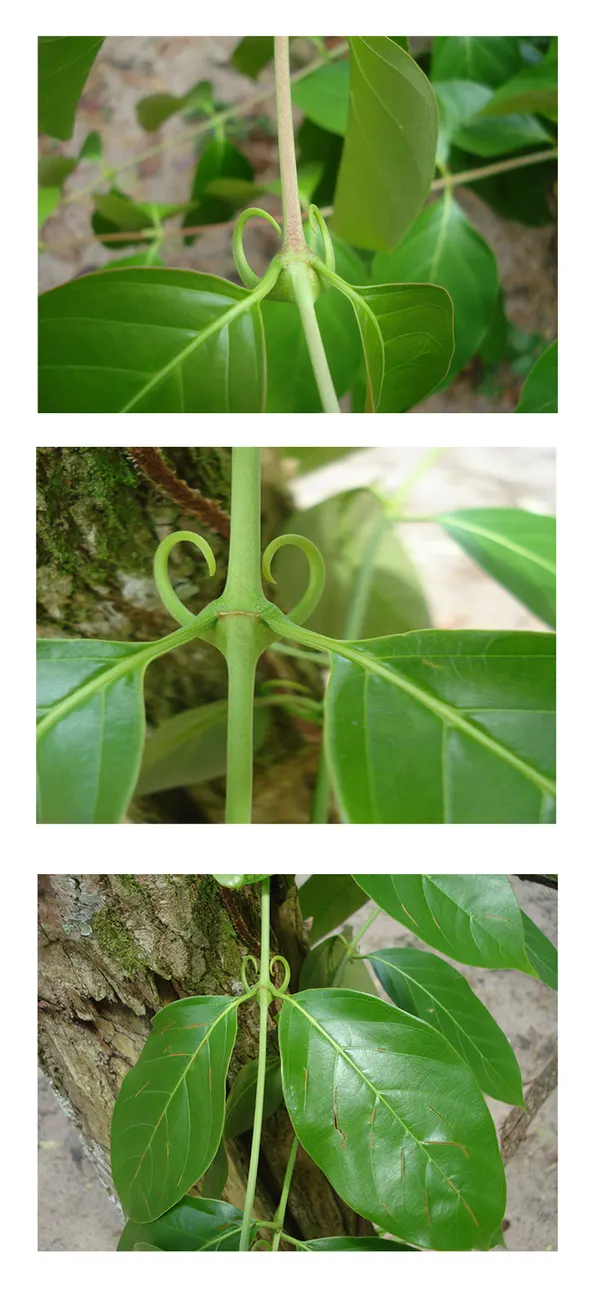
Safety information
Safety information
Toxicity: Low oral toxicity (LiverTox likelihood score E). Minor side effects: nausea, GI upset, diarrhea; dyspepsia/pruritus in one RA trial. Extracts cytotoxic in vitro but not genotoxic.
Contraindications: Pregnancy and lactation; organ-transplant recipients / immunosuppression (immunostimulant effect, theoretical risk); autoimmune disease (caution).
Interactions: Inhibits CYP3A4 — may raise levels of CYP3A4-metabolized drugs. Caution with anticoagulants/antiplatelets and immunosuppressants (cyclosporine).
Pregnancy & breastfeeding: Avoid in pregnancy and lactation.
Evidence level
Supported by clinical trials in humans.
Preparations
hydroethanolic tinctures · bark
Part used: bark
powdered bark in capsules/tablets · bark
Part used: bark
decoction of the bark · inner stem bark/root bark
Part used: inner stem bark/root bark
Traditional use: anti-inflammatory and 'immune rejuvenator'; arthritis/rheumatism, GI complaints, fever, UTIs, viral infections, asthma, abscesses, wounds
Proposed mechanism: pentacyclic vs tetracyclic oxindole alkaloids — NF-kB/TNF-alpha inhibition (preclinical)
Associated conditions
Nutritional notes
Not relevant (medicinal bark).
Healing traditions
Related plants
Sources (1)
- Cat's Claw — LiverTox, NIH/NIDDK (NBK548323), 2019
Sourcing & resources
Affiliate links — we may earn a small commission at no extra cost to you.