Medicinal Mushrooms
Functional mushrooms have moved from the herbalist's shelf to the supermarket coffee aisle in just a few years, carried by big promises about focus, immunity and energy. Most of those promises run well ahead of the evidence. This section gives the honest version — mushroom by mushroom, all 18 covered here — including where the science is genuinely real, where it's only preliminary, and how to avoid paying for expensive starch.
Not medical advice. This material is for education only. Most functional-mushroom health claims rest on laboratory and animal studies, not proof in people. Talk to a clinician before use — especially if you take medication (blood thinners and immune-suppressing drugs matter most here), have kidney or liver conditions, or are pregnant or breastfeeding.
The honest evidence picture
With one exception — turkey tail, whose standardised polysaccharide fractions have real clinical-trial support as a supervised cancer-treatment adjunct — the popular benefits attributed to these mushrooms come mostly from preclinical work (cells and animals) and small, short human pilot studies. A few others (oyster mushroom's natural lovastatin, Agaricus blazei and Phellinus linteus as supportive-care adjuncts) have genuine small randomised human trials behind them. That doesn't make the rest worthless; it means the honest verdict for most is usually "promising but unproven."
How to judge a quality product
This is where most money is wasted. Two markers separate a real extract from filler:
- Fruiting body, not "mycelium on grain." Cheaper products grow mycelium through a grain substrate (rice or oats) that can't be separated from the final powder — so you're buying largely grain starch.
- A stated, independently measured beta-glucan percentage — not vague "polysaccharides," a figure that can be inflated by grain starch — plus a third-party certificate of analysis (COA).
Favour fruiting-body or clearly characterised dual-extract products that publish their beta-glucan content and COAs. Treat "proprietary blend" with no numbers with healthy skepticism.
The eighteen
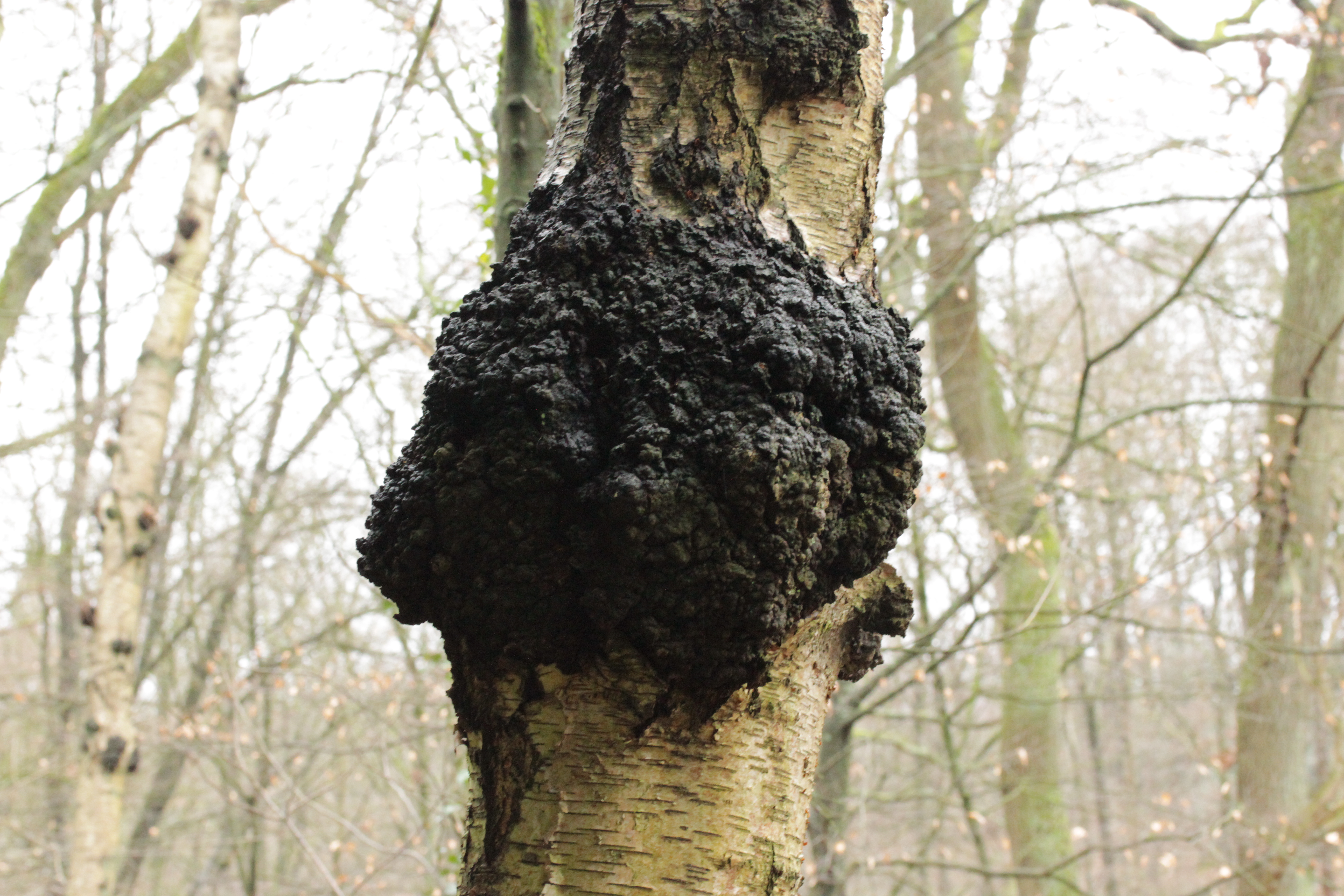
The original five: lion's mane (cognition), reishi (immune and calm), cordyceps (energy and exercise), chaga (antioxidant — with an important kidney warning), and turkey tail (the best-evidenced, as an oncology adjunct).
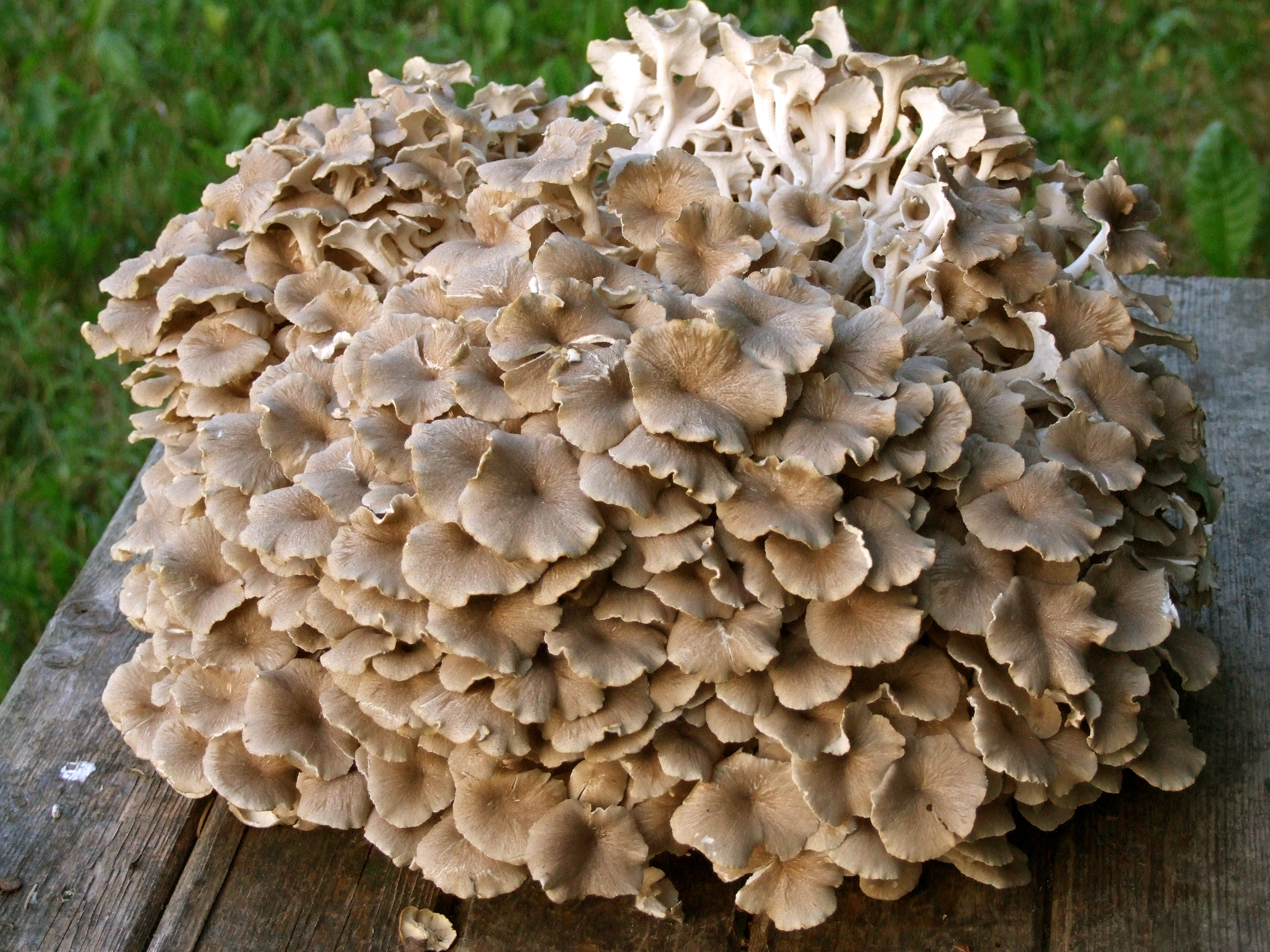
Kitchen staples with real research: shiitake (its lentinan is an approved injectable cancer-adjunct drug in Japan — plus the distinctive "shiitake dermatitis" rash), maitake (a documented blood-sugar interaction), oyster mushroom (naturally contains the statin compound lovastatin), enoki (whose real safety story is Listeria recalls, not an herb interaction), tremella (genuinely science-backed for skin hydration), and wood ear (a documented, human-case-reported blood-thinning effect).
Traditional Chinese Medicine staples: poria / fu ling and polyporus / zhu ling — both diuretic, almost always used within a formula rather than alone.
Early-stage clinical research: Phellinus linteus (sanghuang) and Agaricus blazei, both now in small randomised human trials for immune support and cancer-supportive care.
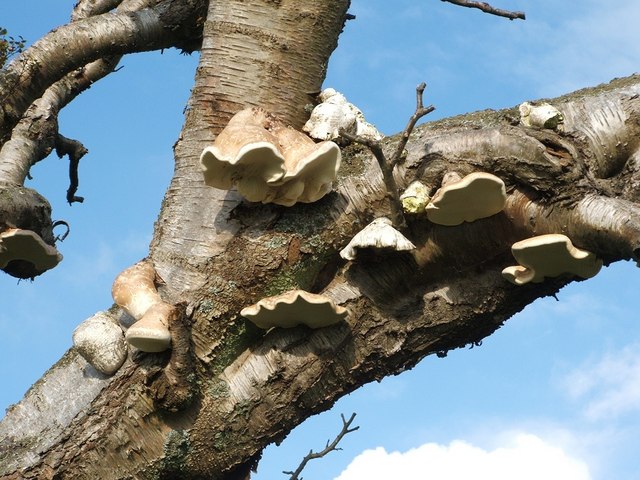
Rare and noteworthy: Antrodia cinnamomea (the strongest liver-protective evidence of the group — and a real wild-harvest conservation problem), agarikon (Dioscorides' "elixir of long life," now critically endangered), and birch polypore (found in Ötzi the Iceman's 5,300-year-old medicine pouch).
Recurring safety themes
The interactions that matter most across the group: blood thinners (reishi, chaga, maitake, wood ear), blood sugar medication (maitake, oyster mushroom), immunosuppressants (nearly all of them, being immune-active), and pregnancy and breastfeeding (avoid all — safety data are insufficient). Enoki carries a distinct food-safety (Listeria) risk unrelated to any herb interaction. "Natural" and "functional" are marketing words, not evidence.
See also our full plant catalogue and the Shop for books and trusted sources.