
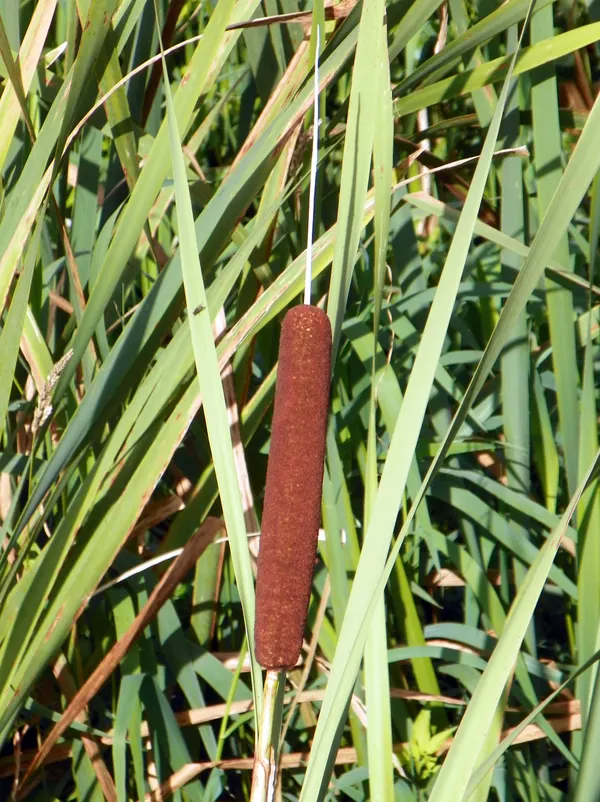
Cattail / Bulrush
Typha latifolia
Other names: Cattail / Bulrush
Edible plantPhoto credit: Peter O'Connor aka anemoneprojectors from Stevenage, United Kingdom
This plant carries serious safety risks. All information is for educational reference only.
Safety information
Toxicity: Low intrinsic toxicity, BUT cattail is an efficient bioaccumulator of waterborne pollutants/heavy metals — harvest only from clean water.
Contraindications: Avoid plants from polluted/agricultural-runoff water.
Interactions: None established (food). Cattail pollen (Pu Huang) is a separate TCM medicinal.
Evidence level
Reported in folk medicine sources; not clinically validated. Folk and historical sources have not been validated by clinical research.
Preparations
This plant carries serious safety risks. All information is for educational reference only.
raw/cooked · young shoot
Part used: young shoot
Traditional use: Cossack asparagus(Folk and historical sources have not been validated by clinical research.)
cooked/roasted · rhizome
Part used: rhizome
Traditional use: starch source / processed for flour(Folk and historical sources have not been validated by clinical research.)
flour additive · pollen
Part used: pollen
Traditional use: protein addition(Folk and historical sources have not been validated by clinical research.)
Edibility
Edible parts: Shoots, rhizome (cooked), pollen.
Toxic lookalike warning
CRITICAL: before flowering, cattail leaves are sword-shaped and dangerously confused with yellow flag iris (Iris pseudacorus) and other Iris species (toxic, GI irritant) and with sweet flag (Acorus); iris leaves grow in a flat fan and lack the brown sausage flower spike; never harvest bladed wetland leaves without the confirming cattail flower head. Also avoid toxic wetland umbellifers (Cicuta, water hemlock) rooting nearby.
Nutritional notes
Rhizome is a starch/carbohydrate staple; shoots provide vitamin C, vitamin K, some minerals; pollen adds protein.
Healing traditions
Related plants
Sources (2)
- Ethnobotanical/foraging literature on Typha
- phytoremediation studies (bioaccumulation caveat)