
Safety information
Safety information
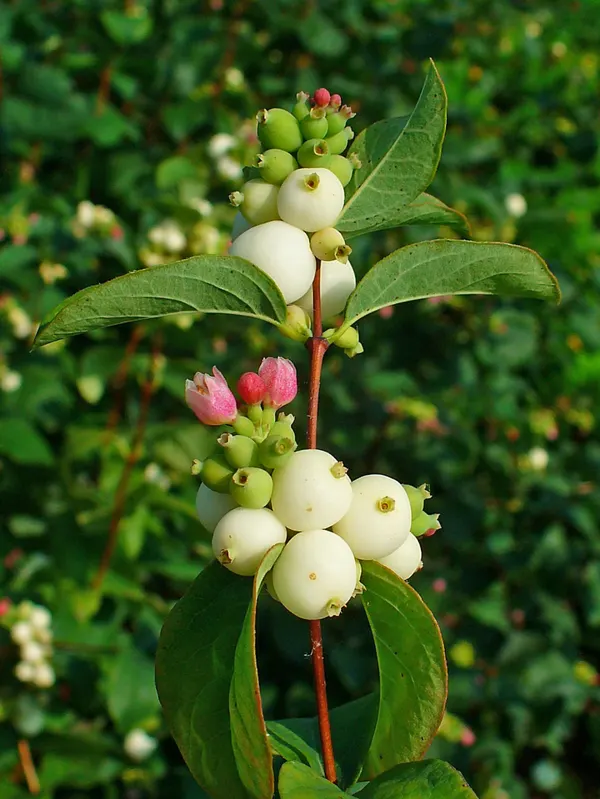
Toxicity: White berries are toxic if eaten (saponins/isoquinoline alkaloids) — vomiting, dizziness; some Native names translate as 'poison/ghost berries', reflecting recognized inedibility.
Contraindications: Do not ingest berries; internal use not advised.
Interactions: Not characterized.
Evidence level
Reported in folk medicine sources; not clinically validated. Folk and historical sources have not been validated by clinical research.
Preparations
decoction/wash (external), poultice (described) · root/bark
Part used: root/bark
Traditional use: sore/inflamed eyes, skin sores, wounds, general external medicine; berries crushed as soap/wash(Folk and historical sources have not been validated by clinical research.)
Proposed mechanism: saponins; little modern study
Dosage note (descriptive only): internal use not advised
Associated conditions
Nutritional notes
n/a
Healing traditions
Related plants
Sources (2)
- Moerman, Native American Ethnobotany — Daniel Moerman
- USDA NRCS PLANTS Database
Sourcing & resources
Affiliate links — we may earn a small commission at no extra cost to you.