
Safety information
Safety information
Toxicity: Low overall; bixin/norbixin considered safe food colorants. Annatto can trigger allergic reactions (urticaria, angioedema, rarely anaphylaxis) in sensitive individuals; very high extract doses show some metabolic effects in animals — culinary amounts considered safe.
Contraindications: Known annatto/carotenoid allergy; caution combining medicinal leaf extracts with antidiabetic or BP drugs (additive effects); pregnancy — culinary use accepted, concentrated medicinal extracts lack data.
Interactions: Possible additive effect with antidiabetic agents (hypoglycemia reported preclinically); theoretical interaction with anticoagulants and BP medication.
Pregnancy & breastfeeding: Culinary use accepted; concentrated medicinal extracts lack data.
Evidence level
Supported by clinical trials in humans.
Preparations
leaf infusion/decoction; seed oil; topical pastes · leaves
Part used: leaves
seed pigment paste/powder (culinary colorant/condiment) · seeds
Part used: seeds
Traditional use: food/textile/cosmetic colorant and body paint; skin and inflammatory conditions, GI complaints, prostate, chest pain, infections, diabetes, fevers, antidote/wound aid
Proposed mechanism: bixin/norbixin carotenoids (FDA-approved food colorants) — antimicrobial, antioxidant, antidiabetic, anti-inflammatory
Associated conditions
Edibility
Edible parts: Seed pigment/aril is a widely used edible spice and natural food colorant (cooked, in pastes/oils/sauces); seeds usually used for color, not eaten whole. Leaves used medicinally.
Toxic lookalike warning
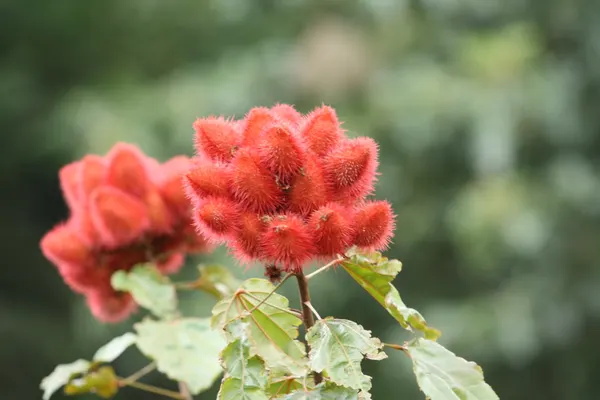
Spiny red-brown seed pods superficially resemble other tropical capsular fruits; only true Bixa orellana seed is food-grade; note the allergy risk.
Nutritional notes
Seeds rich in carotenoids (bixin, norbixin — provitamin-A-type pigments), tocotrienols, some fiber/protein; valued as pigment/antioxidant source.
Healing traditions
Related plants
Sources (1)
- Traditional Uses, Chemical Constituents, and Biological Activities of Bixa orellana, Vilar et al., 2014 (PMC4094728)
Sourcing & resources
Affiliate links — we may earn a small commission at no extra cost to you.