
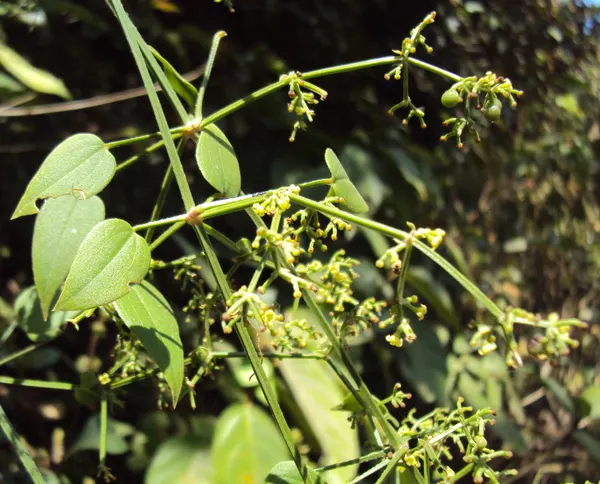
Safety information
Safety information
Toxicity: Caution. Madder-type anthraquinones (notably lucidin) are genotoxic/mutagenic in laboratory assays; related R. tinctorum was withdrawn as a herbal product in the EU over genotoxicity. Warrants caution especially long-term/high-dose.
Contraindications: Pregnancy and lactation (avoid — genotoxicity concern, emmenagogue reputation); long-term high-dose use discouraged; stains urine/skin red.
Interactions: Possible additive with anticoagulants (traditional blood-moving use); hepatically metabolized constituents — caution with hepatotoxic drugs.
Pregnancy & breastfeeding: Avoid in pregnancy and lactation — genotoxicity concern, emmenagogue reputation.
Evidence level
Supported by laboratory or animal studies; not yet confirmed in humans.
Preparations
decoction · root
Part used: root
medicated oil
paste (lepa)
Traditional use: skin
powder · root
Part used: root
Traditional use: skin disease, pigmentation, wound healing, blood/lymphatic tonic
Proposed mechanism: anthraquinones (purpurin, munjistin), mollugin, cyclic peptides — antioxidant, anti-inflammatory, antimicrobial, antiproliferative
Associated conditions
Nutritional notes
Not a food; source of madder dye (alizarin/purpurin).
Healing traditions
Related plants
Sources (2)
- Olakkengil Shajan 2025, Int J Mol Sci (PMID 41465430)
- Kumar 2024, ACS Omega (PMID 38882167)
Sourcing & resources
Affiliate links — we may earn a small commission at no extra cost to you.