
Safety information
Safety information
Toxicity: Low topically. (General knowledge: high-tannin internal use can irritate the gut/affect iron absorption.)
Contraindications: (General knowledge) avoid prolonged internal use; broken-skin caution with strong tannins.
Interactions: (General knowledge) tannins can bind alkaloids/iron.
Evidence level
Reported in folk medicine sources; not clinically validated. Folk and historical sources have not been validated by clinical research.
Preparations
topical char · bark, leaves
Part used: bark, leaves
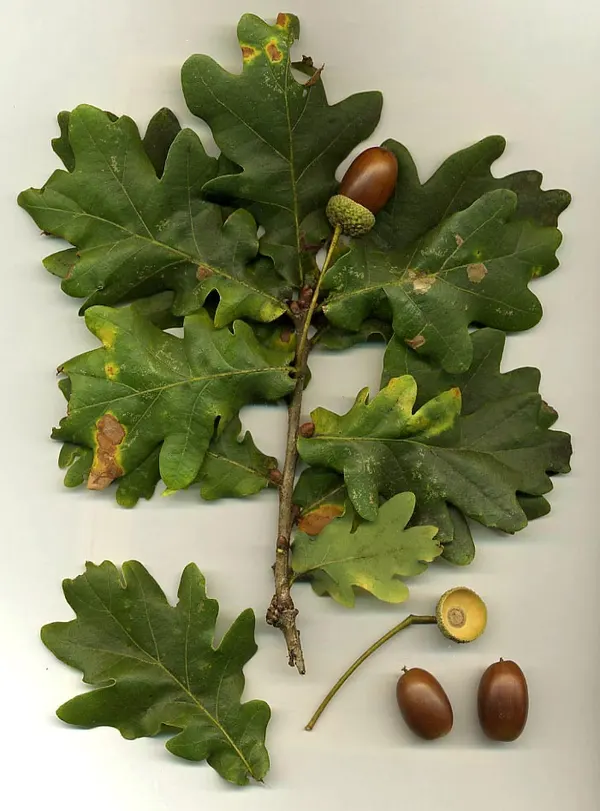
Traditional use: oak bark or a leaf burned to char on a hot ceramic plate, char applied to the satk'bura skin lesion(Folk and historical sources have not been validated by clinical research.)
Proposed mechanism: Oak bark is tannin-rich and a classic astringent (general knowledge)
Associated conditions
Edibility
Edible parts: Acorns are edible only after leaching tannins (general knowledge) — not the use here.
Nutritional notes
Leached acorns: starch, fats (general).
Healing traditions
Related plants
Sources (1)
- Masalebi Saqartvelos Etnografiisatvis, 2020, N1 (2020)
Sourcing & resources
Affiliate links — we may earn a small commission at no extra cost to you.