
Safety information
Safety information
Toxicity: None known as food. Unripe (hard) fruit very astringent (tannins) and can cause GI upset/constipation.
Contraindications: None well established.
Interactions: None documented (high-tannin unripe fruit could theoretically reduce iron/drug absorption if eaten in quantity).
Evidence level
Reported in folk medicine sources; not clinically validated. Folk and historical sources have not been validated by clinical research.
Preparations
edible-raw · fruit
Part used: fruit
Traditional use: eaten after bletting/softening(Folk and historical sources have not been validated by clinical research.)
cooked · fruit
Part used: fruit
Traditional use: preserves; folk mild astringent/anti-diarrheal, digestive(Folk and historical sources have not been validated by clinical research.)
Associated conditions
Edibility
Edible parts: bletted fruit raw or cooked; seeds discarded
Toxic lookalike warning
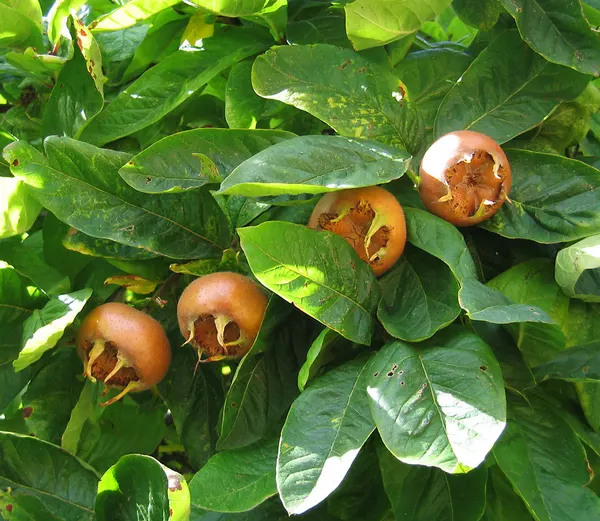
Medlar fruit is distinctive (large open calyx 'eye', brown russeted skin); nonetheless confirm species before eating any wild pome and avoid unknown hard autumn fruits.
Nutritional notes
Vitamin C, fibre, tannins, potassium; modest functional fruit.
Healing traditions
Related plants
Sources (2)
- Bussmann et al., A comparative ethnobotany ... Republic of Georgia, J Ethnobiol Ethnomed 2016;12:43
- Bussmann et al., Unity in diversity — food plants of Sakartvelo, 2021
Sourcing & resources
Affiliate links — we may earn a small commission at no extra cost to you.