
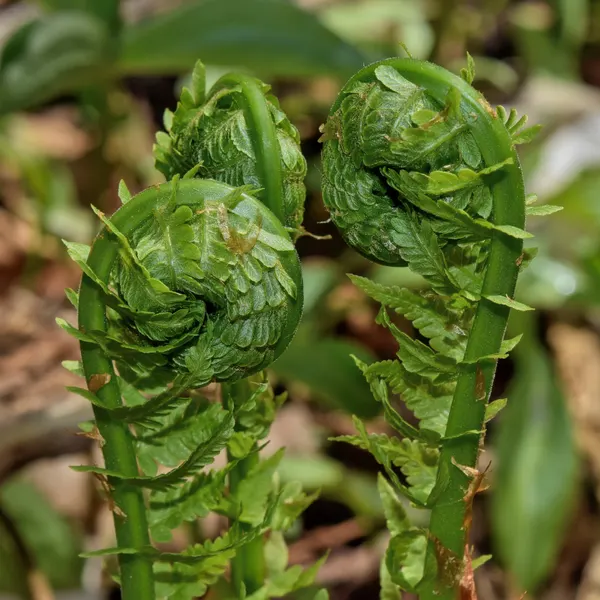
Fiddlehead ferns (ostrich fern)
Matteuccia struthiopteris
Other names: Fiddlehead ferns (ostrich fern)
Edible plantPhoto credit: The Cosmonaut
This plant carries serious safety risks. All information is for educational reference only.
Safety information
Toxicity: Raw or undercooked ostrich-fern fiddleheads have caused outbreaks of acute GI illness (nausea, vomiting, diarrhoea, cramps) — toxin uncharacterised but heat-labile; thorough cooking mandatory.
Contraindications: Do not eat raw/lightly sautéed; pregnancy caution (avoid uncertain ferns).
Interactions: None established.
Pregnancy & breastfeeding: Pregnancy caution (avoid uncertain ferns).
Evidence level
Reported in folk medicine sources; not clinically validated. Folk and historical sources have not been validated by clinical research.
Preparations
This plant carries serious safety risks. All information is for educational reference only.
cooked · fiddlehead
Part used: fiddlehead
Traditional use: boiled ~15 min and/or steamed, water discarded — never raw or lightly cooked(Folk and historical sources have not been validated by clinical research.)
Proposed mechanism: heat-labile toxin destroyed by thorough cooking
Edibility
Edible parts: Ostrich-fern fiddleheads only, thoroughly cooked.
Toxic lookalike warning
CRITICAL: ostrich-fern fiddleheads must be distinguished from bracken fern (Pteridium aquilinum) fiddleheads, which contain carcinogen ptaquiloside (linked to gastric/oesophageal cancer and thiaminase) and from other ferns — only ostrich fern (smooth fiddlehead with a deep U-shaped groove on inner stem, papery brown scales, no fuzz) is considered safe. Bracken is a carcinogen — do not eat; do not confuse.
Nutritional notes
Vitamin A, vitamin C, omega-3, manganese, potassium, antioxidants; seasonal functional green (when properly cooked).
Healing traditions
Related plants
Sources (2)
- Public-health/foodborne-illness guidance on ostrich-fern fiddleheads (cooking requirement)
- literature on bracken/ptaquiloside carcinogenicity