
Safety information
Safety information
Toxicity: Essential oil showed moderate acute oral toxicity and dose-dependent hepatic toxicity on 28-day repeated dosing. Pulegone (major constituent) is hepatotoxic, nephrotoxic, neurotoxic (seizures, hypertension), and abortifacient; toxicity driven by the reactive metabolite menthofuran with glutathione depletion.
Contraindications: Pregnancy (pulegone is abortifacient; folk-used to 'bring on menstruation'); chronic/high-dose use (hepatotoxicity); caution in liver disease.
Interactions: Theoretical additive hepatotoxicity with other hepatotoxic agents; pulegone/menthofuran are CYP-metabolized — caution with drugs sharing those pathways.
Pregnancy & breastfeeding: Avoid in pregnancy (pulegone is abortifacient).
Evidence level
Supported by laboratory or animal studies; not yet confirmed in humans.
Preparations
essential oil, culinary seasoning, food-preservation use · leaves
Part used: leaves
infusion/tea (mate de muna) · leaves
Part used: leaves
Traditional use: carminative and digestive — indigestion, bloating, colic, stomachache, diarrhea, gastritis/ulcer, cough, bronchitis, cold, headache; 'induce menstruation' (southern Peru)
Proposed mechanism: pulegone (major constituent) — antimicrobial/antifungal essential oil; pulegone hepatotoxic, nephrotoxic, neurotoxic, abortifacient via menthofuran/glutathione depletion
Associated conditions
Edibility
Edible parts: Culinary herb/seasoning — leaves used in Andean cooking and tea.
Toxic lookalike warning
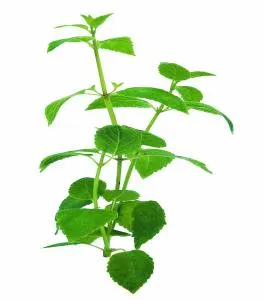
An aromatic Lamiaceae mint that can be confused with other wild mints; pulegone content varies, and Minthostachys should not be confused with high-pulegone Mentha pulegium (pennyroyal), which is markedly more toxic.
Nutritional notes
Aromatic/seasoning herb; not a significant macronutrient source.
Healing traditions
Related plants
Sources (2)
- The herbal pharmacopoeia of Ecuador, Front Pharmacol, 2025 (PMC12611923)
- Potential Toxicity of the Essential Oil from Minthostachys mollis, Toxicology Reports, 2019 (PMC6942890)
Sourcing & resources
Affiliate links — we may earn a small commission at no extra cost to you.