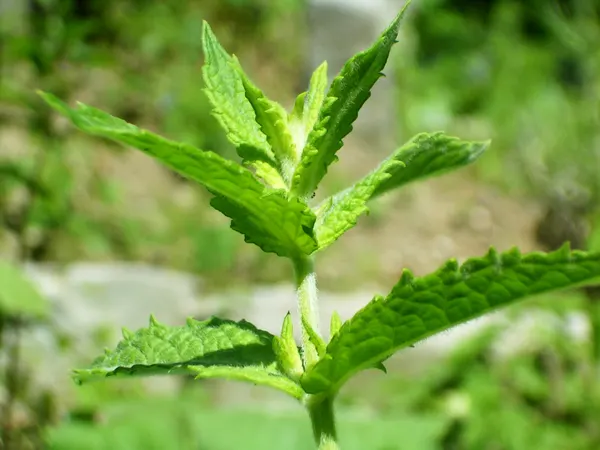
Spearmint
Mentha spicata
Other names: Spearmint
Edible plantPhoto credit: Simon Eugster -- Simon 13:07, 2 July 2006 (UTC)
Safety information
Safety information
Toxicity: None known at culinary doses; benign aromatic.
Contraindications: None specified by source.
Interactions: None specified by source.
Evidence level
Documented in systematic traditional medicine literature.
Preparations
culinary herb (mint sauce/jelly), infusion/tea, distilled mint water, spirit of spearmint, essential oil, homeopathic tincture · herb/oil
Part used: herb/oil
Traditional use: hiccough, flatulence, nausea, vomiting, colic (infusion/water); pleasant febrifuge beverage; mild diuretic
Proposed mechanism: stimulant, carminative, antispasmodic (milder than peppermint, better adapted for children)
Associated conditions
Edibility
Edible parts: leaves widely culinary (sauce, jelly, with peas/potatoes, drinks)
Toxic lookalike warning
Distinguish garden mints from Pennyroyal (Mentha pulegium) (toxic/abortifacient oil) and from non-mint square-stemmed plants when foraging.
Nutritional notes
Culinary flavouring; aids digestion; minor nutritional value.
Healing traditions
Related plants
Sources (1)
- Grieve M., A Modern Herbal (1931) — Maud Grieve (1931)
Sourcing & resources
Affiliate links — we may earn a small commission at no extra cost to you.