
Safety information
Safety information
Toxicity: Very low. No toxic effects in rat studies; human trials report it safe with minor transient GI symptoms and headache (LiverTox score E). One isolated acute-hepatitis case linked to a 'maca medicinal liquor' (alcohol vehicle, not maca food).
Contraindications: No well-established absolute contraindications; caution in pregnancy/lactation (lack of data); theoretical caution in hormone-sensitive conditions.
Interactions: None well documented.
Pregnancy & breastfeeding: Caution in pregnancy/lactation (lack of data).
Evidence level
Supported by clinical trials in humans.
Preparations
gelatinized powder, capsules, tablets, liquid extracts · root
Part used: root
dried root boiled/cooked traditionally · root
Part used: root
Traditional use: nutritious food; enhance energy, fertility (humans and livestock), sexual function
Proposed mechanism: macamides/macaenes, glucosinolates, sterols; reproductive claims not yet justified by robust human data
Associated conditions
Edibility
Edible parts: Root (hypocotyl), cooked (boiled/roasted; also dried/powdered).
Toxic lookalike warning
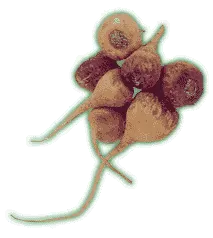
A Brassicaceae root resembling a small radish/turnip — never consume an unidentified wild tuber; use only verified cultivated maca.
Nutritional notes
Nutrient-dense dried root — carbohydrate, protein, essential amino acids, iron, calcium; glucosinolates, sterols, unique macamides/macaenes.
Healing traditions
Related plants
Sources (2)
- Gonzales GF, Evid Based Complement Alternat Med, 2012
- Maca — LiverTox, NIH/NIDDK (NBK548552), 2019
Sourcing & resources
Affiliate links — we may earn a small commission at no extra cost to you.