
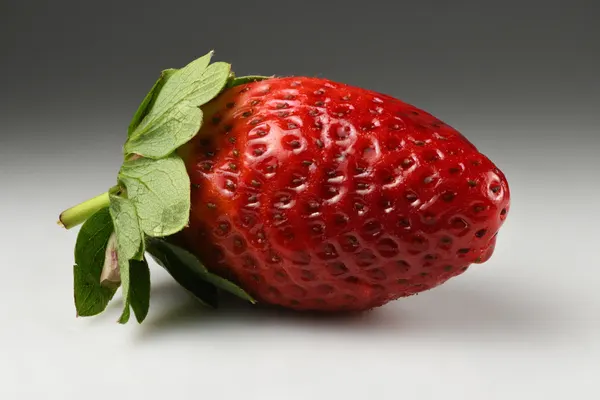
Safety information
Safety information
Toxicity: None known as food. Common cause of IgE-mediated and oral-allergy-syndrome reactions (urticaria, oral itch) in sensitized individuals; histamine-liberator reputation in some people.
Contraindications: Known strawberry/Rosaceae or birch-pollen oral-allergy individuals should avoid. No specific systemic contraindication for the general population.
Interactions: None well established. Leaf tannins could theoretically reduce co-ingested iron absorption.
Evidence level
Supported by clinical trials in humans.
Preparations
edible-raw · fruit
Part used: fruit
Traditional use: edible polyphenol-rich berry
Proposed mechanism: ellagic acid, anthocyanins, vitamin C — antioxidant/anti-inflammatory
infusion · leaf
Part used: leaf
Traditional use: mild astringent / tonic(Folk and historical sources have not been validated by clinical research.)
Proposed mechanism: tannins
Associated conditions
Edibility
Edible parts: fruit raw; leaves used as folk tea (astringent)
Toxic lookalike warning
Mock strawberry (Potentilla/Duchesnea indica) is non-toxic but bland; positive ID for any foraged red berry
Nutritional notes
Very high water content, low calorie (~32 kcal/100 g); excellent vitamin C source; provides manganese, folate, potassium, fiber, and polyphenols (ellagic acid/ellagitannins, anthocyanins, quercetin)
Healing traditions
Related plants
Sources (2)
- Bioactive Ingredients with Health-Promoting Properties of Strawberry Fruit (Molecules/MDPI, 2023)
- Strawberry Fragaria × ananassa cv. Festival: A Polyphenol-Based Phytochemical Characterization (2023)
Sourcing & resources
Affiliate links — we may earn a small commission at no extra cost to you.