
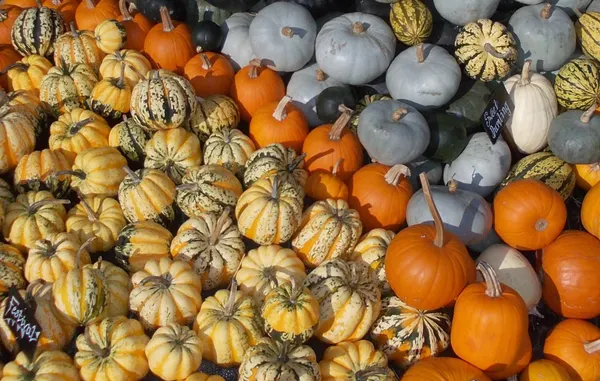
Pumpkin
Cucurbita(?)
Other names: Pumpkin
Edible plantPhoto credit: Chiswick Chap (Wikimedia Commons)
Safety information
Safety information
Toxicity: None known as food.
Contraindications: None for food amounts.
Interactions: None significant. (Safety gate.)
Pregnancy & breastfeeding: Recommended in book (juice); food-safe.
Evidence level
Reported in folk medicine sources; not clinically validated. Folk and historical sources have not been validated by clinical research.
Preparations
boiled/baked flesh · flesh
Part used: flesh
Traditional use: anemia, overweight, chronic constipation, the elderly(Folk and historical sources have not been validated by clinical research.)
Proposed mechanism: carotenoids, fibre
fresh juice · flesh
Part used: flesh
Traditional use: liver, bladder and kidney tonic; recommended in pregnancy (1/2 cup daily)(Folk and historical sources have not been validated by clinical research.)
Dosage note (descriptive only): 1/2 cup fresh juice daily
seed tea · seed
Part used: seed
Traditional use: kidney disease; classic folk anthelmintic; hemorrhoids, bloating/constipation(Folk and historical sources have not been validated by clinical research.)
Associated conditions
Edibility
Edible parts: Flesh (cooked), seeds (raw/roasted), juice.
Toxic lookalike warning
Cultivated pumpkin is unambiguous, but extremely bitter ornamental/wild gourds (high cucurbitacin) are toxic - discard any pumpkin/squash that tastes intensely bitter ('toxic squash syndrome').
Nutritional notes
Provitamin-A carotenoids (beta-carotene), potassium, fibre; seeds rich in zinc, magnesium, protein and healthy fats.
Healing traditions
Related plants
Sources (1)
- ნუნუ ღლიღვაშვილი-მარგიანი, "მედეადან დღემდე" (Nunu Ghlighvashvili-margiani, "From Medea to the present day")
Sourcing & resources
Affiliate links — we may earn a small commission at no extra cost to you.