
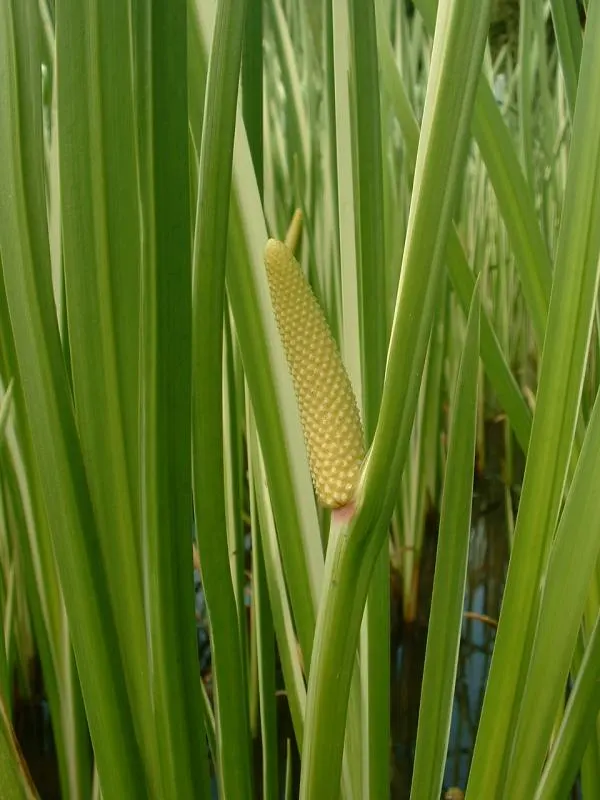
This plant carries serious safety risks. All information is for educational reference only.
Safety information
Toxicity: Serious / regulated. Beta-asarone is genotoxic and carcinogenic (liver, small intestine) in rodents; FDA bans calamus as a food additive; EMA sets very low temporary beta-asarone exposure limit. Tetraploid Indian Vacha high in beta-asarone; diploid races low/none.
Contraindications: Pregnancy, lactation, children, epilepsy long-term, liver disease — avoid. Internal use of high-beta-asarone chemotypes discouraged.
Interactions: Sedatives/CNS depressants (additive); hepatically activated toxicant — caution with hepatotoxic drugs and CYP substrates.
Pregnancy & breastfeeding: Avoid in pregnancy (and lactation/children).
Evidence level
Supported by laboratory or animal studies; not yet confirmed in humans.
Preparations
This plant carries serious safety risks. All information is for educational reference only.
decoction · rhizome
Part used: rhizome
medicated oil · rhizome
Part used: rhizome
paste · rhizome
Part used: rhizome
tincture · rhizome
Part used: rhizome
powder; chewed (folk) · rhizome
Part used: rhizome
powder · rhizome
Part used: rhizome
Traditional use: speech/voice, memory, epilepsy, cough, digestive/nervine
Proposed mechanism: asarones (alpha- and beta-asarone) — CNS-active (sedative, anticonvulsant); beta-asarone metabolically activated to genotoxic species
Dosage note (descriptive only): traditionally micro-dose
Reference only — not a dosage instruction
decoction/infusion (bitter digestive) · rhizome
Part used: rhizome
Traditional use: bitter digestive/stomach root — poor appetite, dyspepsia, gastritis, 'to strengthen the stomach', sedative/tonic, chewed for toothache/throat and breath
Proposed mechanism: rhizome essential oil contains beta-asarone (genotoxic/carcinogenic in animals in high-asarone tetraploid Asian chemotypes); European diploid var. calamus much lower
Dosage note (descriptive only): avoid high-asarone (Asian tetraploid) material
Reference only — not a dosage instruction
Associated conditions
Edibility
Edible parts: NOT a food; banned as food additive due to beta-asarone.
Toxic lookalike warning
Acorus calamus dangerously confused with the deadly Iris and with Veratrum and edible-looking marsh plants; sweet-flag rhizome itself is the hazard.
Nutritional notes
Not a food source.
Healing traditions
Related plants
Sources (5)
- Narayana & Mukne 2025, Indian J Pharmacol (PMC12419574)
- Patel 2015, Front Pharmacol (PMID 25750624)
- Cartus 2015, Chem Res Toxicol (PMID 26273788)
- Desai et al. 2025, Toxics (PMC12737251)
- Chellian 2017, Phytomedicine (PMID 28732807)