
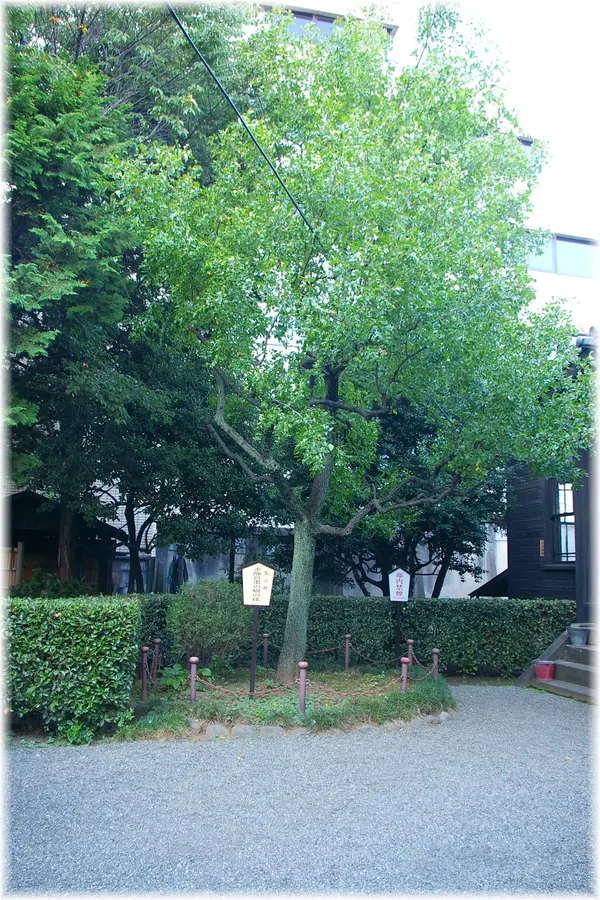
Jujube / Chinese red date
Ziziphus jujuba
Other names: 大枣 / 大棗 dàzǎo; 红枣 hóngzǎo; 酸枣仁 suānzǎorén, Jujube / Chinese red date
Edible plantPhoto credit: Tokyo Watcher at English Wikipedia
Safety information
Safety information
Toxicity: Fruit is a common food, low toxicity. Leaves contain ziziphin (suppresses sweet taste perception) - not eaten.
Contraindications: Diabetics should account for sugar content of dried dates; otherwise few for the fruit.
Interactions: Not well characterized for the fruit.
Pregnancy & breastfeeding: Not noted (food).
Evidence level
Supported by laboratory or animal studies; not yet confirmed in humans.
Preparations
decoction · fruit
Part used: fruit
edible · fruit
Part used: fruit
Traditional use: tonify spleen qi, nourish blood, harmonize formulas(Folk and historical sources have not been validated by clinical research.)
Proposed mechanism: flavonoids (rutin, quercetin/kaempferol glycosides), terpenoids
preparation · seed (suanzaoren)
Part used: seed (suanzaoren)
Traditional use: calming the spirit/aiding sleep (sour-jujube seed)
Proposed mechanism: seed flavonoids/saponins/polysaccharides
Associated conditions
Edibility
Edible parts: Fruit eaten fresh, dried, candied, in soups/teas/desserts and many cuisines.
Toxic lookalike warning
Genus contains many similar Ziziphus species (Z. spina-christi, Z. mauritiana); use the correct food species and avoid thorny wild lookalikes of uncertain identity.
Nutritional notes
Functional food. Fresh fruit high in vitamin C (~69 mg/100 g); dried fruit energy-dense with potassium, B vitamins; flavonoids (rutin, quercetin/kaempferol glycosides), terpenoids.
Healing traditions
Related plants
Sources (2)
- Ziziphus jujuba / Jujube (Wikipedia), English, accessed 2026, https://en.wikipedia.org/wiki/Ziziphus_jujuba
- Jiang et al., Comparison of the sedative and hypnotic effects of flavonoids, saponins, and polysaccharides extracted from Semen Ziziphus jujube, Nat Prod Res 2007, PMID 17479419
Sourcing & resources
Affiliate links — we may earn a small commission at no extra cost to you.