
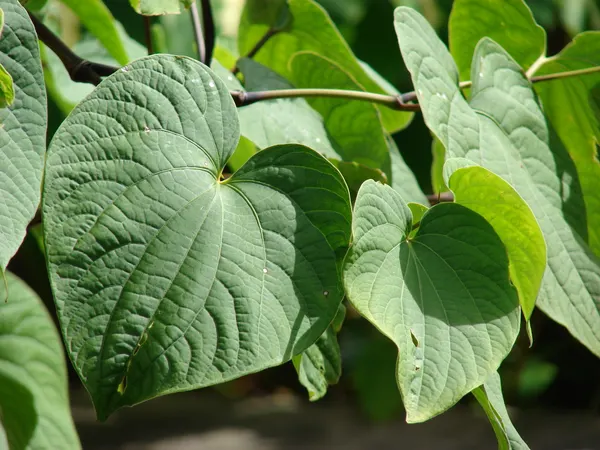
Kava
Piper methysticum
Other names: kava-kava, awa, yaqona (Fijian)
Photo credit: Forest & Kim Starr / Wikimedia Commons
This plant carries serious safety risks. All information is for educational reference only.
Safety information
Toxicity: serious - hepatotoxicity. Rare idiosyncratic but severe liver injury (hepatitis, cirrhosis, fulminant failure, transplant, deaths). Chronic heavy use: kava dermopathy (dry scaly skin), ataxia at high exposure.
Contraindications: any liver disease or hepatotoxic-drug use (absolute), pregnancy/breastfeeding, before driving/operating machinery, alcohol use, Parkinson's (may worsen).
Interactions: additive with alcohol, benzodiazepines, barbiturates, other CNS depressants and hepatotoxins; inhibits CYP enzymes (CYP2E1 etc.) -> drug-level changes; potential with levodopa.
Pregnancy & breastfeeding: contraindicated in pregnancy/breastfeeding
Evidence level
Supported by clinical trials in humans.
Preparations
This plant carries serious safety risks. All information is for educational reference only.
traditional preparation · rhizome/root
Part used: rhizome/root
Traditional use: anxiety, tension, insomnia, ceremonial relaxant
Proposed mechanism: GABAergic (kavalactones)
Associated conditions
Healing traditions
Related plants
Sources (3)
- EMA reference list, Piper methysticum rhizoma (EMA/HMPC)
- Kava Kava - LiverTox (NBK548637, NIH NIDDK)
- NCCIH: Kava (NCCIH)