
Safety information
Safety information
Toxicity: Ripe fruit: none known as food. Green/unripe fruit, leaves, and stems contain the glycoalkaloid α-tomatine (toxic). Tomatine is far less acutely toxic than potato solanine and largely declines with ripening.
Contraindications: Acid reflux / GERD may be aggravated by acidic tomato in some people. Weak anecdotal link to atopic flares in sensitive individuals.
Interactions: None well established at dietary intake. High potassium relevant only to severe renal impairment / potassium-restricted diets.
Evidence level
Supported by clinical trials in humans.
Preparations
edible-raw · fruit
Part used: fruit
Traditional use: dietary fruit(Folk and historical sources have not been validated by clinical research.)
cooked · fruit
Part used: fruit
Traditional use: lycopene (cardiovascular, prostate-cancer risk)
Proposed mechanism: lycopene — antioxidant; bioavailability rises with cooking + fat
Associated conditions
Edibility
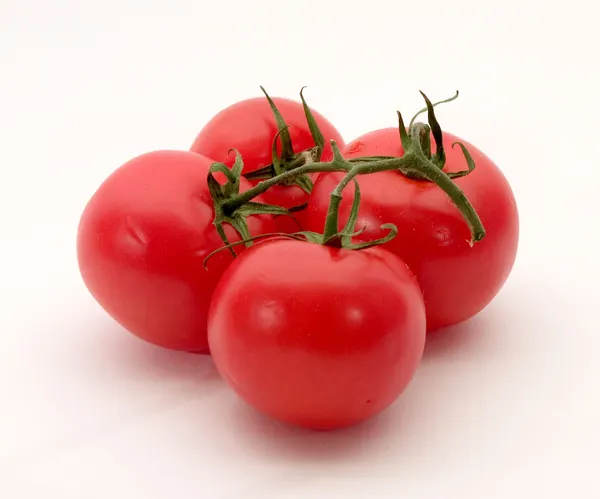
Edible parts: ripe fruit, raw or cooked; NOT leaves/stems/green parts (toxic)
Toxic lookalike warning
Other nightshade fruits — unripe-looking Solanum-weed berries and Atropa belladonna (deadly nightshade) are toxic; only eat known cultivated tomato fruit
Nutritional notes
Source of vitamin C, potassium, folate, beta-carotene, and the carotenoid lycopene (dominant tomato carotenoid; bioavailability rises with cooking + dietary fat). Low calorie.
Healing traditions
Related plants
Sources (4)
- The role of tomato products and lycopene in prevention of prostate cancer: a meta-analysis (2004)
- Tomato Carotenoids and Lycopenes — a Comprehensive Review (2014)
- Tomatoes: An Extensive Review of Health Impacts (2022)
- Whole Food versus Supplement: Tomato Intake and Lycopene Supplementation on Cardiovascular Risk Factors (2014)
Sourcing & resources
Affiliate links — we may earn a small commission at no extra cost to you.