
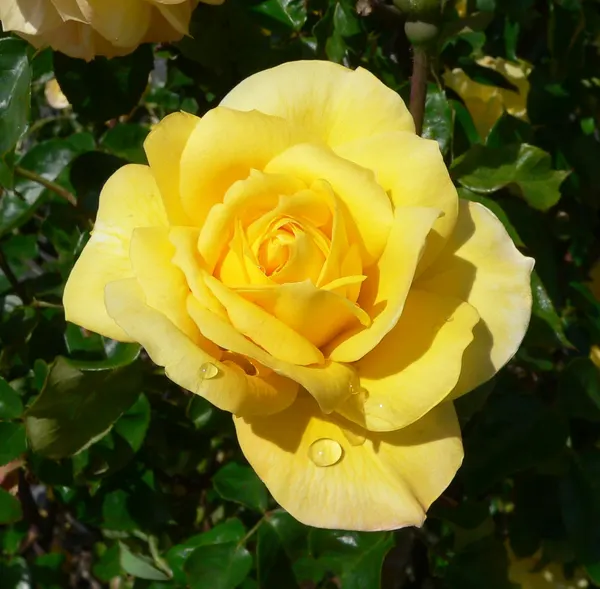
Rose
Rosa(?)
Other names: Rose, ასკილი (askili); ვარდი (vardi); ვარდის ფურცელი, Rosehip (and rose petals), ვარდი (vardi)
Edible plantPhoto credit: Stan Shebs
Safety information
Safety information
Toxicity: None known for rosewater/petals at culinary/cosmetic scale. | Low. The fine hairs around rosehip seeds are an irritant (classic itching-powder) - strain well; the book's 'seedless' note is sensible. | None known (general knowledge).
Contraindications: None documented in source. | None well established; very high vitamin C. | None known.
Interactions: None documented. | Vitamin-C load may marginally affect iron absorption/some drugs; minor. (Safety gate.) | None significant.
Pregnancy & breastfeeding: Not noted.
Evidence level
Reported in folk medicine sources; not clinically validated. Folk and historical sources have not been validated by clinical research.
Preparations
rosewater wash · flower/petals
Part used: flower/petals
Traditional use: headache (applied to shaved head), toothache/gum bleeding (mouth rinse), eye complaints, skin conditions(Folk and historical sources have not been validated by clinical research.)
petal decoction · petals
Part used: petals
Traditional use: cooling(Folk and historical sources have not been validated by clinical research.)
infusion (hip tea) · fruit
Part used: fruit
Traditional use: tonic, anti-sclerotic, mild laxative (at night, seedless)(Folk and historical sources have not been validated by clinical research.)
Proposed mechanism: vitamin C
petal infusion · petal
Part used: petal
Traditional use: asthma; dark-red petals chewed as gentle laxative(Folk and historical sources have not been validated by clinical research.)
rose oil (petals macerated) · petal
Part used: petal
Traditional use: skin/mouth inflammation, 'forgetfulness'(Folk and historical sources have not been validated by clinical research.)
root decoction · root
Part used: root
Traditional use: folk-claimed to dissolve gall/kidney stones(Folk and historical sources have not been validated by clinical research.)
syrup (sirop) · flowers
Part used: flowers
Traditional use: flowers gathered in season and dried, then cooked with honey or sugar into a syrup; pleasant medicinal syrup given to the sick (and the well)(Folk and historical sources have not been validated by clinical research.)
rose-oil salve · flower
Part used: flower
Traditional use: skin(Folk and historical sources have not been validated by clinical research.)
Associated conditions
Edibility
Edible parts: Petals and hips are edible (rosewater, jam); see separate Rosehip entry. | Rosehip flesh (tea, jam, syrup) with seeds/hairs removed; petals edible. | Petals (syrup, preserves) and hips (rose hips, vitamin-C rich) are edible.
Toxic lookalike warning
Harvest hips from true Rosa (thorny canes, pinnate leaves, persistent sepals on the hip); avoid confusing with other red shrub fruits. | Caution: discard hip seeds/hairs (irritant).
Nutritional notes
Among the richest plant sources of vitamin C; carotenoids, pectin. | Petals minor; rose hips notably high in vitamin C (functional food).
Healing traditions
Related plants
Sources (4)
- ნუნუ ღლიღვაშვილი-მარგიანი, "მედეადან დღემდე" (Nunu Ghlighvashvili-margiani, "From Medea to the present day")
- Mtsire Karabadini, Part II (Surmanidze, 1990) — Ramaz Surmanidze (1990)
- Karabadini (Khelaia ed., 2009) — Nani Khelaia (ed.) (2009)
- Masalebi Saqartvelos Etnografiisatvis, 2020, N1 (2020)
Sourcing & resources
Affiliate links — we may earn a small commission at no extra cost to you.