
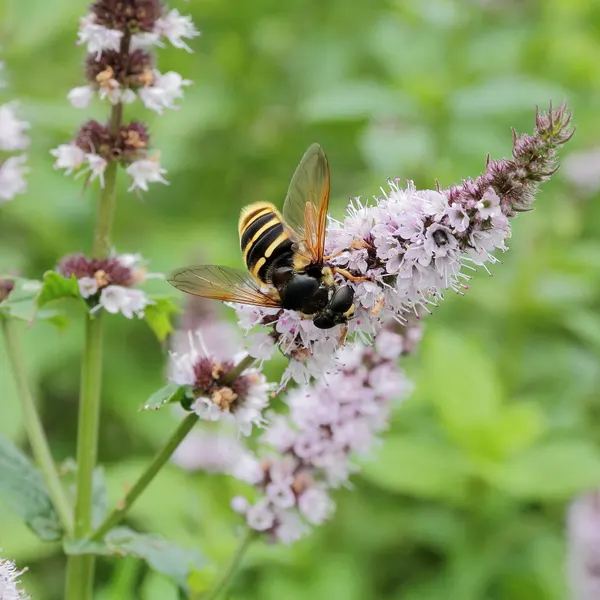
Peppermint / garden mint
Mentha(?)
Other names: Peppermint / garden mint
Edible plantPhoto credit: C T Johansson
Safety information
Safety information
Toxicity: Low for culinary mints. Caution: if 'გარეული პიტნა' (wild mint) is Mentha pulegium (pennyroyal/ombalo), that species is hepatotoxic/abortifacient (pulegone).
Contraindications: Reflux/hiatus hernia (mint relaxes the lower oesophageal sphincter); infants (menthol). Pennyroyal: pregnancy (abortifacient).
Interactions: May slow gastric emptying; theoretical additive with sedatives. (Safety gate.)
Pregnancy & breastfeeding: Pennyroyal contraindicated (abortifacient); cultivated mint culinary amounts fine.
Evidence level
Reported in folk medicine sources; not clinically validated. Folk and historical sources have not been validated by clinical research.
Preparations
infusion (tea) · leaf
Part used: leaf
Traditional use: calmative/sleep aid, digestive (gastritis mixtures), oral hygiene, liver/gallbladder(Folk and historical sources have not been validated by clinical research.)
Proposed mechanism: menthol
poultice · leaf
Part used: leaf
Traditional use: headache (crushed on head)(Folk and historical sources have not been validated by clinical research.)
chewed · leaf
Part used: leaf
Traditional use: gums/breath(Folk and historical sources have not been validated by clinical research.)
Associated conditions
Edibility
Edible parts: Culinary mint leaves (raw/cooked, tea).
Toxic lookalike warning
Ensure 'wild mint' gathered is a true culinary Mentha and not pennyroyal (Mentha pulegium), which is toxic in medicinal amounts; the square stem + minty smell confirms the genus but not the safe species.
Nutritional notes
Aromatic herb; trace vitamins/minerals, menthol.
Healing traditions
Related plants
Sources (1)
- ნუნუ ღლიღვაშვილი-მარგიანი, "მედეადან დღემდე" (Nunu Ghlighvashvili-margiani, "From Medea to the present day")
Sourcing & resources
Affiliate links — we may earn a small commission at no extra cost to you.