
Safety information
Safety information
Toxicity: Very low — also a culinary/food item.
Contraindications: Dry cough from yin-deficiency, excess heat (TCM); generally safe.
Interactions: Citrus furanocoumarins minimal in peel flavonoids, but high citrus intake can affect CYP3A4 (theoretical).
Evidence level
Supported by laboratory or animal studies; not yet confirmed in humans.
Preparations
powder · fruit peel
Part used: fruit peel
tea / culinary · fruit peel
Part used: fruit peel
in formula (Er Chen Tang, Ping Wei San) · fruit peel
Part used: fruit peel
decoction · fruit peel
Part used: fruit peel
Traditional use: regulates qi, strengthens the spleen, dries dampness, transforms phlegm; bloating, poor appetite, nausea, productive cough
Proposed mechanism: flavonoids (hesperidin) and polymethoxyflavones (nobiletin, tangeretin), limonene — digestive, anti-inflammatory, antioxidant, lipid-modulating, neuroprotective
Associated conditions
Edibility
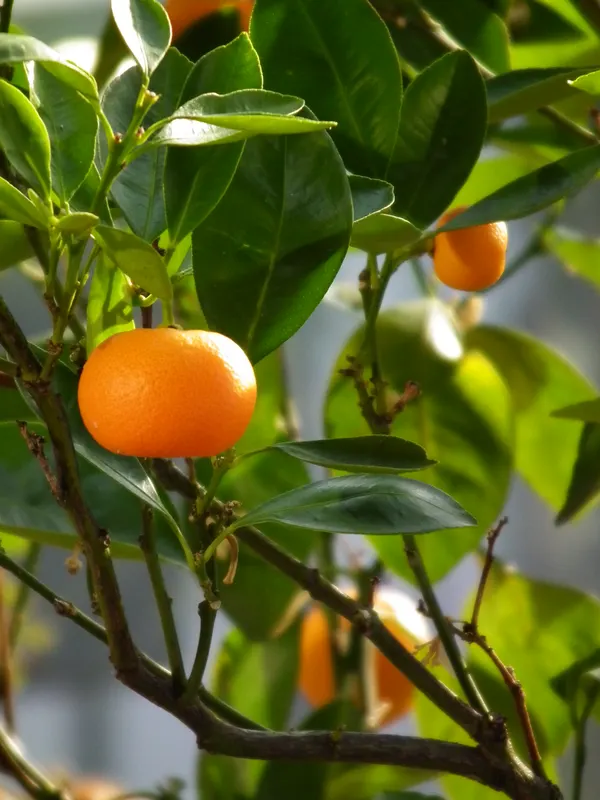
Edible parts: Culinary peel/zest, widely used in cooking and tea.
Toxic lookalike warning
Use only food-grade citrus peel; avoid peels treated with non-food waxes/pesticides; do not substitute decorative bitter-orange ornamentals of unknown treatment.
Nutritional notes
Flavonoids, vitamin C traces, fiber, aromatic oils (functional-food).
Healing traditions
Related plants
Sources (1)
- [E31] Citri Reticulatae Pericarpium (Chenpi) botany/ethnopharmacology/phytochemistry/pharmacology review (J. Ethnopharmacol)
Sourcing & resources
Affiliate links — we may earn a small commission at no extra cost to you.