
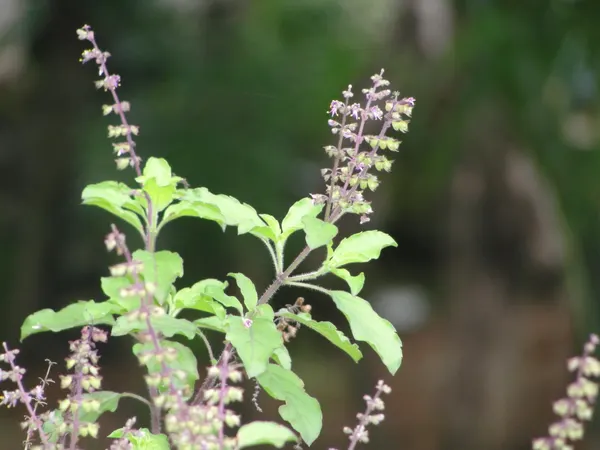
Safety information
Safety information
Toxicity: Mild. | Mild; generally safe as culinary/tea herb. High-dose extracts: possible hypoglycemia; eugenol-related concerns at very high intake.
Contraindications: Avoid in pregnancy or when trying to conceive (fertility caution). | Pregnancy/trying to conceive (animal data suggest possible antifertility/uterine effects — avoid medicinal doses); before surgery (bleeding/glucose); bleeding disorders; diabetes on medication (monitor).
Interactions: Caution with blood-sugar-lowering drugs (additive). | Anticoagulants/antiplatelets (possible bleeding), antidiabetics (additive hypoglycemia), possible additive with sedatives.
Pregnancy & breastfeeding: Avoid in pregnancy or when trying to conceive (fertility effect). | Avoid medicinal doses — possible antifertility/uterine effects (animal data).
Evidence level
Supported by clinical trials in humans.
Preparations
decoction · aerial parts
Part used: aerial parts
Traditional use: Traditionally for fevers and as a general tonic.
How to prepare (traditional): Decoction prepared from the aerial parts.
Dosage note (descriptive only): Take about 150 ml daily as a general tonic.
powder · aerial parts
Part used: aerial parts
Traditional use: Traditionally rubbed into mouth ulcers to aid healing.
How to prepare (traditional): Dried aerial parts powdered; rubbed gently into sore areas.
Dosage note (descriptive only): Several times a day.
other · leaf
Part used: leaf
Traditional use: Traditionally applied to skin infections, insect bites, ringworm; also used as ear drops.
How to prepare (traditional): Juice extracted from the fresh herb and applied topically.
Dosage note (descriptive only): Apply about 1/2 tbsp to the affected part twice a day.
Associated conditions
Edibility
Edible parts: leaves used culinarily and as a tea (medicinal/holy basil, distinct from sweet/Thai cooking basil) | Leaves used in teas and culinary/religious contexts (raw or brewed). Common food/tea herb.
Toxic lookalike warning
Distinguish from ornamental/other Ocimum and Lamiaceae; culinary sweet basil differs — use correctly identified plants.
Nutritional notes
Culinary/medicinal herb. | Leaves contribute vitamin K, some vitamin A/C, minerals; aromatic functional herb. Bioactives: eugenol, ursolic acid, rosmarinic acid.
Healing traditions
Related plants
Sources (2)
- Chevallier A., Encyclopedia of Herbal Medicine (2016) — Andrew Chevallier (2016)
- Arya 2024, Plants (Basel) (PMID 39771214)
Sourcing & resources
Affiliate links — we may earn a small commission at no extra cost to you.