
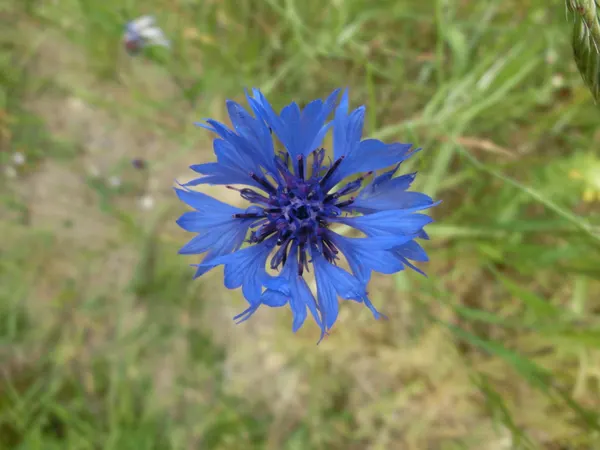
Cornflower
Centaurea cyanus
Other names: bachelor's button, bluebottle, Cyani flos, Centaureae cyani flos
Edible plantPhoto credit: Orikrin1998 / Wikimedia Commons
Safety information
Safety information
Toxicity: Low; none serious known. As with all eyewashes, contamination/infection risk if non-sterile.
Contraindications: Known Asteraceae (Compositae) allergy. Eye use: avoid in eye injury, infection, or persistent symptoms without seeing a clinician. Pregnancy/lactation: insufficient data.
Interactions: None well documented.
Pregnancy & breastfeeding: insufficient data in pregnancy/lactation
Evidence level
Documented in systematic traditional medicine literature.
Preparations
infusion · flower
Part used: flower
Traditional use: soothing/decongesting eyewash for tired or mildly irritated eyes (external)
Proposed mechanism: anthocyanins (protocyanin), flavonoids, bitter compounds
Associated conditions
Edibility
Edible parts: ray florets are edible and commonly used as a colourful (mild-flavoured) garnish/tea ingredient; raw
Toxic lookalike warning
no notable toxic lookalike for the cultivated/garden flower, but positive ID needed if wild-harvested (other blue Asteraceae exist)
Nutritional notes
anthocyanins/flavonoids (antioxidant); negligible as a calorie/nutrient source
Healing traditions
Related plants
Sources (2)
- Herbicide-resistance status impacts polyphenolics & phytomedical properties of edible cornflower flowers (PMC)
- Microstructural and histochemical analysis of aboveground organs of Centaurea cyanus (PMC)
Sourcing & resources
Affiliate links — we may earn a small commission at no extra cost to you.