
Safety information
Safety information
Toxicity: None known as food. Very high intake of raw cruciferous vegetables provides goitrogenic glucosinolates that can impair thyroid iodine uptake — clinically relevant mainly with iodine deficiency or extreme raw intake. Cooking reduces glucosinolate/goitrogen load.
Contraindications: Hypothyroidism / iodine deficiency — moderate very large raw intake. Vitamin K content relevant to warfarin users (kale especially high). FODMAP/raffinose content can worsen IBS bloating.
Interactions: Vitamin K (esp. kale) antagonizes warfarin — keep intake consistent. Cruciferous vegetables can induce CYP1A2, theoretically lowering levels of CYP1A2-metabolized drugs at high intake.
Evidence level
Supported by clinical trials in humans.
Preparations
edible-raw · leaf
Part used: leaf
Traditional use: dietary vegetable / cruciferous chemoprevention
Proposed mechanism: glucosinolate → isothiocyanate (sulforaphane, indole-3-carbinol) via myrosinase
poultice · leaf
Part used: leaf
Traditional use: mastitis / engorgement, joint pain (folk topical)(Folk and historical sources have not been validated by clinical research.)
Associated conditions
Edibility
Edible parts: leaves, immature flower heads (broccoli/cauliflower), stems; raw, cooked or fermented (sauerkraut, kimchi)
Toxic lookalike warning
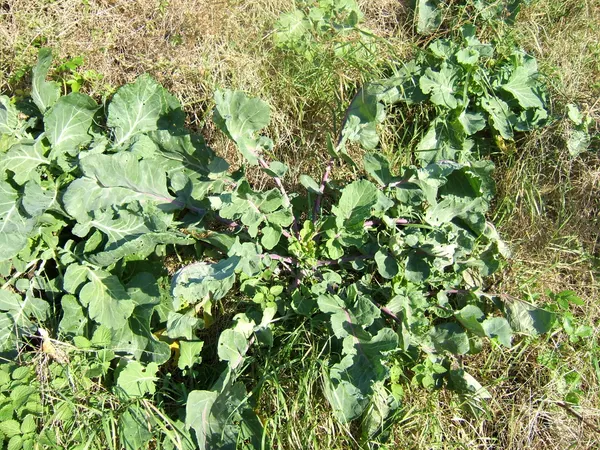
Wild leafy-green foragers should avoid confusing brassica seedlings/rosettes with toxic mustard-family relatives and unrelated toxic rosettes (e.g. foxglove Digitalis)
Nutritional notes
Excellent source of vitamin C, vitamin K, folate, fiber, carotenoids (kale: lutein/zeaxanthin, beta-carotene); broccoli a leading dietary source of glucoraphanin/sulforaphane precursor; low calorie
Healing traditions
Related plants
Sources (4)
- Broccoli: A Multi-Faceted Vegetable for Health (2023)
- Influence of Cooking Methods on Glucosinolates and Isothiocyanates Content in Cruciferous Foods (2019)
- Nutritional, Therapeutic, and Functional Food Perspectives of Kale (Brassica oleracea var. acephala): An Integrative Review (2025)
- Quantitative profiling of glucosinolates by LC-MS reveals cabbage and kale cultivars as promising sulforaphane sources (2012)
Sourcing & resources
Affiliate links — we may earn a small commission at no extra cost to you.