
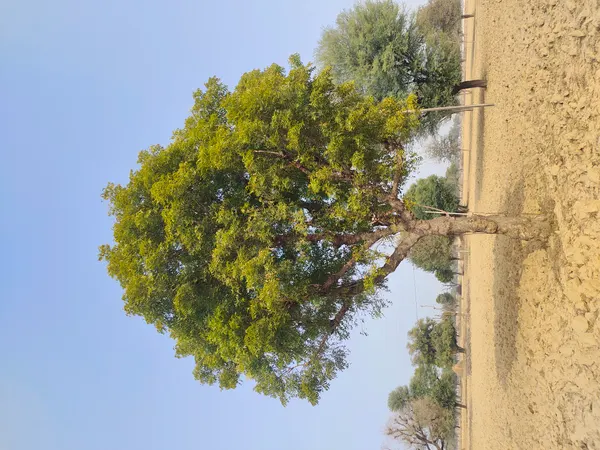
Neem
Azadirachta indica
Other names: Nimba (निम्ब), neem, Indian lilac, margosa, Neem
Edible plantPhoto credit: TheSlumPanda (Wikimedia Commons)
This plant carries serious safety risks. All information is for educational reference only.
Safety information
Toxicity: SERIOUS for neem OIL ingestion, especially in infants/children. Oral neem oil causes acute toxic encephalopathy / Reye-like syndrome — vomiting, drowsiness, metabolic acidosis, seizures, hepatic injury, encephalopathy; fatal cases reported in infants. Adult ingestion poisoning documented. Topical/leaf use comparatively safer but seeds/oil toxic if swallowed.
Contraindications: Do NOT give neem oil orally to infants/children — potentially fatal. Pregnancy (abortifacient/antifertility — avoid); trying to conceive (male & female antifertility); autoimmune disease; small children.
Interactions: Antidiabetics (additive hypoglycemia), immunosuppressants, lithium; hepatotoxic agents (additive in overdose).
Pregnancy & breastfeeding: Avoid — abortifacient/antifertility properties reported.
Evidence level
Supported by clinical trials in humans.
Preparations
This plant carries serious safety risks. All information is for educational reference only.
tincture · leaf
Part used: leaf
Traditional use: Used to treat fevers.
How to prepare (traditional): Bitter tincture.
infusion · leaf
Part used: leaf
Traditional use: Used for conjunctivitis.
How to prepare (traditional): Infusion of the leaves.
decoction · bark
Part used: bark
Traditional use: Used (traditionally) for hemorrhoids; strongly bitter and astringent.
How to prepare (traditional): Decoction of the bark, strongly bitter and astringent.
oil · seed
Part used: seed
Traditional use: To prevent and treat infestations of headlice.
How to prepare (traditional): Oil expressed from the seeds, applied to the scalp.
Dosage note (descriptive only): Apply daily to the scalp.
Reference only — not a dosage instruction
other · leaf
Part used: leaf
Traditional use: To treat many skin disorders, including eczema.
How to prepare (traditional): Cream.
Dosage note (descriptive only): Apply as required.
Reference only — not a dosage instruction
Associated conditions
Edibility
Edible parts: Limited/cultural — tender young leaves and flowers used (cooked/bitter) in some South Indian and Bengali dishes in small amounts. Seeds and neem OIL are NOT edible and dangerous if ingested.
Toxic lookalike warning
Do not confuse 'edible leaf, small culinary amounts' with the toxic oil; never ingest neem oil.
Nutritional notes
Bitter leaves provide minor micronutrients; primarily medicinal/functional. Bioactives: azadirachtin, nimbin, nimbidin.
Healing traditions
Related plants
Sources (5)
- Patil 2022, J Pharm Pharmacol (PMID 34562010)
- Braga 2021, Molecules (PMID 33419112)
- Sinniah 1981, Lancet (PMID 6110100)
- Lai 1990, Singapore Med J (PMID 2259944)
- Mishra 2013, Indian J Crit Care Med (PMID 24339648)