
Safety information
Safety information
Toxicity: None known as food. Common allergen: actinidin (Act d 1) and other kiwi proteins cause IgE reactions from oral-allergy syndrome to (rarely) anaphylaxis; ~2–3% prevalence reported. High oxalate/raphides can cause mouth tingling. Latex–fruit syndrome cross-reactivity.
Contraindications: Known kiwi/latex allergy — avoid. Caution in latex-fruit syndrome and in young children (allergy risk). Oxalate content relevant to recurrent calcium-oxalate stone formers in large amounts.
Interactions: Vitamin K content modest. No major established drug interactions; theoretical antiplatelet effect reported in some studies (minor at dietary intake).
Evidence level
Supported by clinical trials in humans.
Preparations
edible-raw · fruit
Part used: fruit
Traditional use: constipation/laxation and digestion
Proposed mechanism: fibre (mild laxative); actinidin (cysteine protease) aids protein digestion; high vitamin C
Associated conditions
Edibility
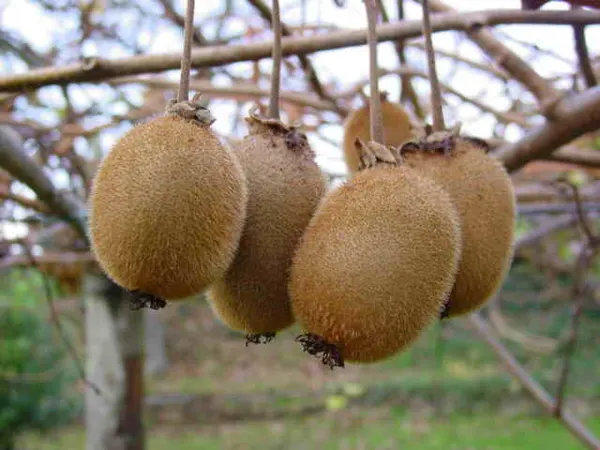
Edible parts: fruit raw (flesh; skin edible but fuzzy)
Toxic lookalike warning
Cultivated kiwifruit not generally confused; positive ID required for any foraged Actinidia
Nutritional notes
Exceptionally high vitamin C (often exceeds an orange per fruit); good source of dietary fiber, potassium, vitamin E, folate, vitamin K, antioxidants; contains actinidin (digestive protease)
Healing traditions
Related plants
Sources (3)
- Actinidia spp. (Kiwifruit): A Comprehensive Review of Its Nutraceutical Potential (Food Frontiers, 2025)
- The Nutritional and Health Benefits of Kiwiberry (Actinidia arguta) – a Review (2017)
- The nutritional and health attributes of kiwifruit: a review (European Journal of Nutrition, 2018)
Sourcing & resources
Affiliate links — we may earn a small commission at no extra cost to you.