
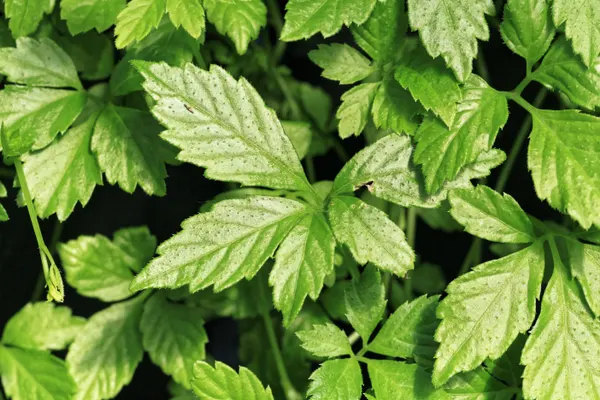
Jiaogulan / southern ginseng
Gynostemma pentaphyllum
Other names: 绞股蓝 / 絞股藍 jiǎogǔlán, Jiaogulan / southern ginseng
Edible plantPhoto credit: Frank Vincentz
Safety information
Safety information
Toxicity: Generally low-toxicity as a tea; some reports of nausea/loose stools at higher doses; comprehensive human safety data limited.
Contraindications: Pregnancy/clinical data limited; caution combining with antidiabetic and antihypertensive drugs; theoretical antiplatelet caution.
Interactions: Possible additive effects with antidiabetic, antihypertensive, and anticoagulant/antiplatelet drugs.
Pregnancy & breastfeeding: Data limited.
Evidence level
Supported by clinical trials in humans.
Preparations
infusion · leaf
Part used: leaf
Traditional use: qi-tonic for fatigue, cough, longevity; caffeine-free adaptogenic tea
Proposed mechanism: gypenosides (saponins related to ginsenosides), flavonoids
decoction/extract · aerial herb
Part used: aerial herb
Traditional use: metabolic/lipid, AMPK-related (lab/animal/small human)
Proposed mechanism: gypenosides
Associated conditions
Edibility
Edible parts: Leaves used as herbal tea/infusion (principal traditional use); young shoots eaten as a vegetable in some regions.
Toxic lookalike warning
A five-leaflet climbing vine that can resemble other cucurbit/vine plants; use only authenticated Gynostemma, as some wild vines and their fruits are toxic.
Nutritional notes
Functional tea; gypenoside saponins, flavonoids; negligible macronutrient.
Healing traditions
Related plants
Sources (2)
- Gynostemma pentaphyllum (Wikipedia), English, accessed 2026, https://en.wikipedia.org/wiki/Gynostemma_pentaphyllum
- Jiaogulan / Gynostemma - Drugs.com natural database, English, https://www.drugs.com/npp/gynostemma.html
Sourcing & resources
Affiliate links — we may earn a small commission at no extra cost to you.