
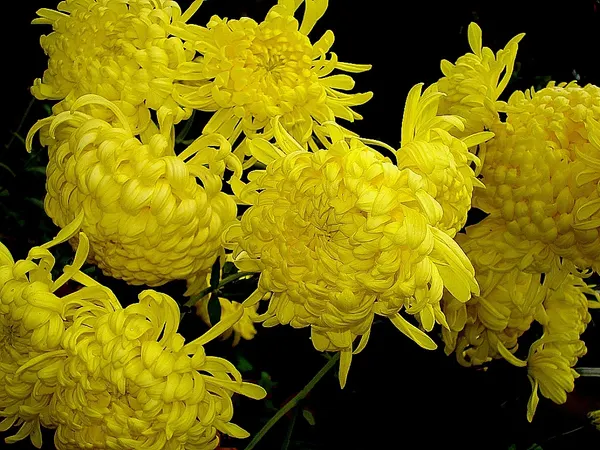
Chrysanthemum flower
Chrysanthemum morifolium
Other names: 菊花 júhuā, Chrysanthemum flower
Edible plantPhoto credit: Wikimedia Commons contributor
Safety information
Safety information
Toxicity: Low for the flower in tea amounts. Contact with plant parts can cause skin irritation and allergy (Asteraceae family).
Contraindications: Asteraceae/ragweed allergy; pregnancy data limited.
Interactions: Not well characterized.
Pregnancy & breastfeeding: Data limited.
Evidence level
Documented in systematic traditional medicine literature.
Preparations
infusion · flower
Part used: flower
Traditional use: clearing heat, dispersing wind-heat, brightening the eyes (eye inflammation)
Proposed mechanism: flavonoids, volatile oils
edible flower · flower
Part used: flower
Traditional use: culinary(Folk and historical sources have not been validated by clinical research.)
decoction · flower
Part used: flower
Associated conditions
Edibility
Edible parts: Flower heads widely used as caffeine-free tea and culinary flower.
Toxic lookalike warning
Use only food-grade culinary/medicinal chrysanthemum flowers; do not confuse with ornamental Chrysanthemum/Tanacetum cultivars treated with pesticides or other Asteraceae; pyrethrum-type plants are insecticidal.
Nutritional notes
Functional tea/edible flower; flavonoids and volatile oils.
Healing traditions
Related plants
Sources (1)
- Chrysanthemum x morifolium (Wikipedia), English, accessed 2026 (cites Shennong Bencao Jing and Bencao Gangmu), https://en.wikipedia.org/wiki/Chrysanthemum_%C3%97_morifolium
Sourcing & resources
Affiliate links — we may earn a small commission at no extra cost to you.