Safety information
Safety information
Toxicity: None known reported.
Contraindications: None specifically reported.
Interactions: None reported.
Evidence level
Documented in systematic traditional medicine literature.
Preparations
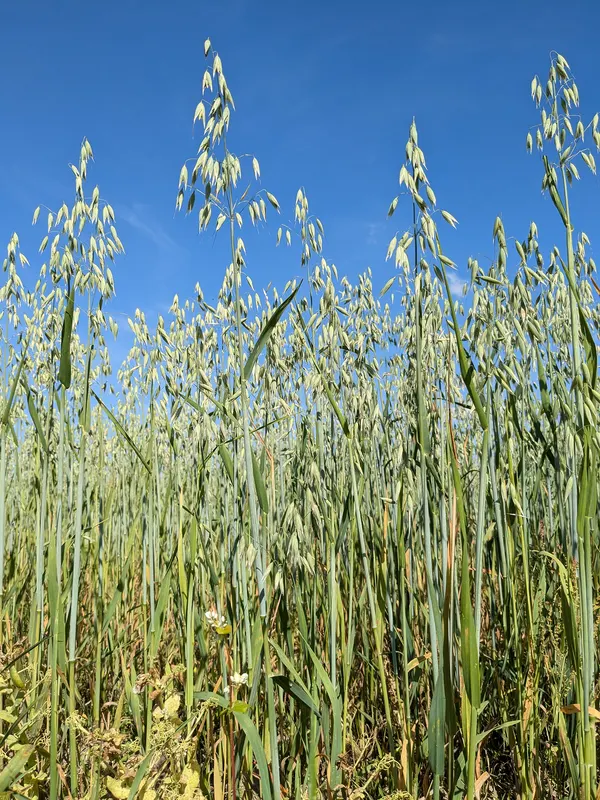
infusion · whole plant (straw)
Part used: whole plant (straw)
Traditional use: Traditionally used as a nervine tonic to 'feed' the nervous system during stress, nervous debility and exhaustion with depression; bath for neuralgia and irritated skin.
How to prepare (traditional): Oatstraw infusion: pour 1 cup of boiling water over 1-3 teaspoons of dried straw and infuse 10-15 minutes. A soothing bath is made by boiling about 1 pound of shredded oatstraw in 2 quarts of water for half an hour and straining into the bath.
Dosage note (descriptive only): Infusion drunk three times a day.
tincture · seed and whole plant
Part used: seed and whole plant
Traditional use: Nervine tonic.
How to prepare (traditional): Tincture at 1:5 in 25% alcohol.
Dosage note (descriptive only): 3-5 ml three times a day.
Associated conditions
Edibility
Edible parts: oats are a staple cereal food (groats/rolled oats), cooked
Nutritional notes
Cereal grain; vitamin E, proteins (avenins), starch; functional food.
Healing traditions
Related plants
Sources (1)
- Hoffmann D., Medical Herbalism (2003) — David Hoffmann (2003)
Sourcing & resources
Affiliate links — we may earn a small commission at no extra cost to you.