
Safety information
Safety information
Toxicity: None known in normal tea amounts.
Contraindications: No major ones; very heavy long-term consumption anecdotally linked to cardiac concerns — use moderately. Pollen/flower allergy possible.
Interactions: Theoretical additive sedative effect (with sedatives/alcohol); mild diaphoretic/diuretic additive.
Evidence level
Supported by laboratory or animal studies; not yet confirmed in humans.
Preparations
infusion · flower
Part used: flower
Traditional use: soothing diaphoretic for colds/fever; mild calming/sleep tea
Proposed mechanism: flavonoid/mucilage diaphoretic, mild anxiolytic
Associated conditions
Edibility
Edible parts: flowers used for tea; young leaves edible in some traditions (minor salad/wrap use)
Toxic lookalike warning
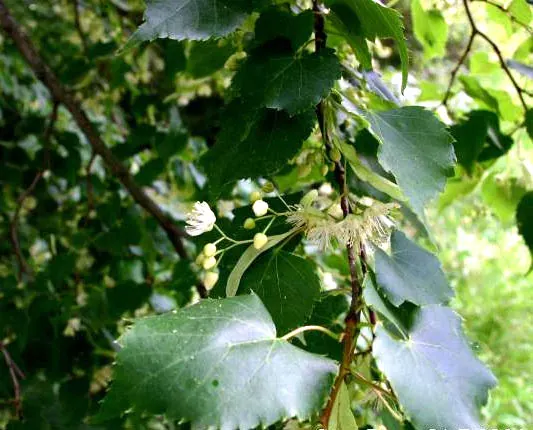
Linden is a distinctive tree (heart-shaped asymmetric leaves, flower cluster attached to a strap-like leafy bract); still confirm the tree before gathering and avoid unknown tree flowers.
Nutritional notes
Not a significant food; flavonoid-rich, low-tannin tea.
Healing traditions
Related plants
Sources (2)
- Bussmann et al., A comparative ethnobotany ... Republic of Georgia, J Ethnobiol Ethnomed 2016;12:43
- Bussmann et al., Unity in diversity — food plants of Sakartvelo, 2021
Sourcing & resources
Affiliate links — we may earn a small commission at no extra cost to you.