
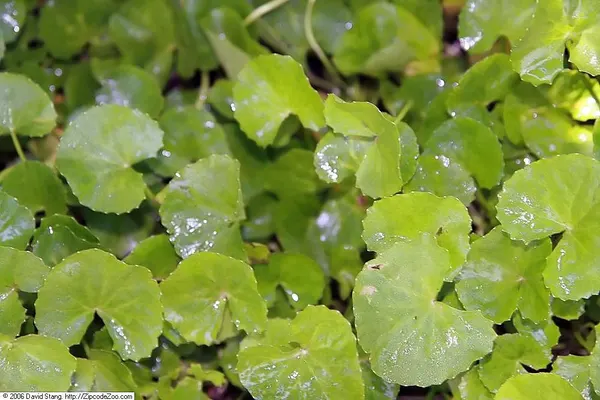
Chai hu / Chinese thorowax
Bupleurum chinense
Other names: 柴胡 cháihú, Chai hu / Chinese thorowax
Photo credit: David J. Stang / Wikimedia Commons
Safety information
Safety information
Toxicity: Saponin-containing; bupleurum/saikosaponins implicated in rare liver injury reports, especially in combination products (e.g. Sho-saiko-to interstitial pneumonia/hepatotoxicity concerns). Use authenticated species and avoid self-dosing.
Contraindications: Pregnancy/clinical data limited; pre-existing liver disease caution.
Interactions: Reported concern when combined with interferon (historical Kampo data); possible additive hepatic effects.
Pregnancy & breastfeeding: Data limited.
Evidence level
Supported by laboratory or animal studies; not yet confirmed in humans.
Preparations
decoction · root
Part used: root
Traditional use: To stimulate sweating and reduce fever; and to improve liver function.
How to prepare (traditional): Decoction of the root; for liver function, decoct 15 g bupleurum, 5 g licorice, and 3 cups (750 ml) water.
Dosage note (descriptive only): To stimulate sweating and reduce fever, drink 3/4 cup (150 ml) 3 times a day. Liver remedy: take in 3 doses over a 24-hour period.
Associated conditions
Nutritional notes
Not a nutritional food; saikosaponins (triterpenoid saponins) and polyacetylenes.
Healing traditions
Related plants
- BhumyamalakiPhyllanthus niruriClinical
- Daruharidra (tree turmeric / Indian barberry)Berberis aristataClinical
- Safflower / gur gum (hong hua, false saffron)Carthamus tinctoriusClinical
- Globe artichokeCynara scolymusClinical
- Kalmegh (King of Bitters)Andrographis paniculataClinical
- Tibetan anisodus / 'Tang-chu-tang'Anisodus tanguticusClinical
Sources (3)
- Bupleurum chinense (Wikipedia), English, accessed 2026, https://en.wikipedia.org/wiki/Bupleurum_chinense
- Liu et al., Herbal medicines for fatty liver diseases (Cochrane) 2013, PMID 23975682
- Abe et al., Protective effect of saikosaponin-d on CCl4-induced liver injury, Naunyn-Schmiedeberg's Arch Pharmacol 1982, PMID 7133157
Sourcing & resources
Affiliate links — we may earn a small commission at no extra cost to you.