Sweet clover / Melilot
Melilotus officinalis
Other names: yellow sweet clover, melilot, king's clover, Meliloti herba
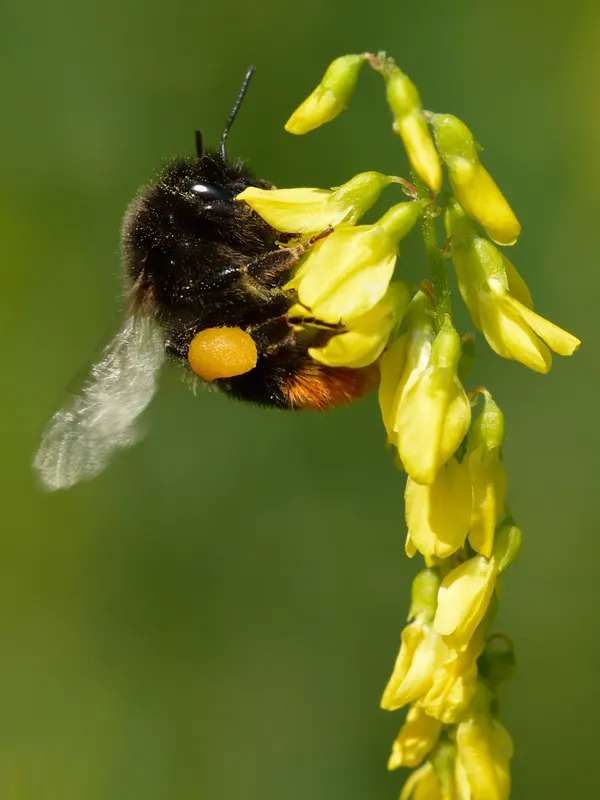
Photo credit: Ivar Leidus / Wikimedia Commons
This plant carries serious safety risks. All information is for educational reference only.
Safety information
Toxicity: Coumarin is the key safety concern. Improperly dried or spoiled (moulded) sweet clover converts coumarin to dicoumarol, a potent anticoagulant (historical cause of sweet clover disease/haemorrhage in cattle; lead compound for warfarin). High-dose or poorly processed material carries bleeding risk; coumarin itself raises hepatotoxicity concerns at high intake.
Contraindications: Bleeding disorders; before surgery; liver disease. Pregnancy/lactation: not recommended. Children/adolescents under 18: not recommended.
Interactions: Anticoagulants/antiplatelets (warfarin, heparin, DOACs, aspirin, clopidogrel) - potential additive bleeding risk; other coumarin-containing or blood-thinning herbs likewise. Avoid combination without medical supervision.
Pregnancy & breastfeeding: not recommended in pregnancy/lactation
Evidence level
Documented in systematic traditional medicine literature.
Preparations
This plant carries serious safety risks. All information is for educational reference only.
dry extract · aerial parts
Part used: aerial parts
Traditional use: chronic venous insufficiency, lymphoedema
Proposed mechanism: coumarin and related compounds (melilotoside, dihydrocoumarin)
Associated conditions
Nutritional notes
not a nutritional source; coumarin-bearing
Healing traditions
Related plants
Sources (2)
- EMA - final assessment report on Melilotus officinalis (L.) Lam., herba (EMA/HMPC)
- Sweet Clover (Melilotus spp.) as a Source of Biologically Active Compounds (PMC)