
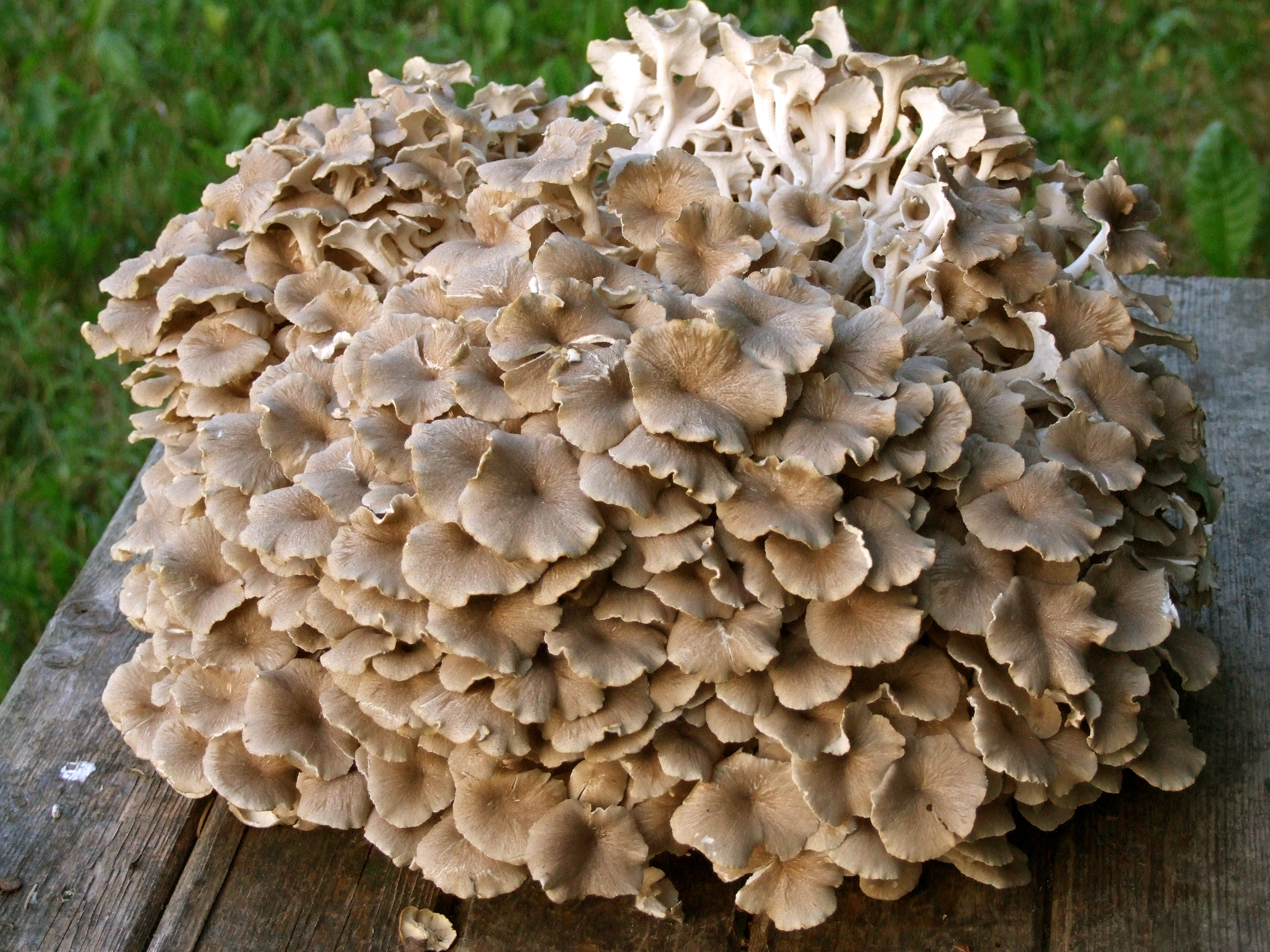
Polyporus (Polyporus umbellatus)
Known as zhu ling, this polypore is a long-used Traditional Chinese Medicine diuretic, closely related to poria but pharmacologically distinct.
Not medical advice. For education only, and never a substitute for prescribed bladder-cancer treatment (including BCG immunotherapy).
What the evidence shows
Polyporus polysaccharide (PPS) has documented diuretic, immune-regulating, and hepatoprotective activity in laboratory research. Its most notable modern research angle is as a potential adjunct alongside BCG immunotherapy for bladder cancer — animal (rat) model studies found PPS combined with BCG reduced cancer invasiveness and lessened BCG's side effects more than BCG alone, via macrophage-polarising and immune-stimulating mechanisms. This is genuinely interesting preclinical research, but it has not been established in large human clinical trials.
Evidence level: preclinical; promising animal-model signal for a specific oncology-adjunct use, not proven in people.
How it's used
Dried rhizome/sclerotium slices or powder, typically combined with other herbs in a TCM formula rather than used alone.
Safety
Considered low-toxicity at traditional doses within TCM practice. Because of its diuretic action, use caution alongside other diuretics or blood-pressure medication. Anyone undergoing bladder cancer treatment (including BCG therapy) should not add polyporus or any supplement without their oncology team's knowledge — the human relevance of the animal-model synergy is not established. Safety data in pregnancy and breastfeeding are insufficient — avoid.
Quality notes
As with poria, correct species identification matters; polyporus is typically sourced through TCM suppliers as part of a formula.
Sources
- Homogeneous polyporus polysaccharide inhibits bladder cancer by polarizing macrophages to M1 subtype in tumor microenvironment (PMC)
- Efficacy of Zhuling polyporus polysaccharide with BCG to inhibit bladder carcinoma — ResearchGate
Explore the other medicinal mushrooms or our full plant catalogue.