
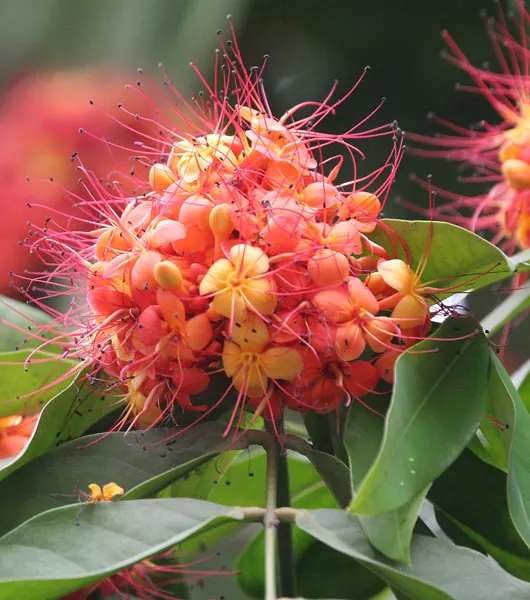
Safety information
Safety information
Toxicity: Not well characterized in humans (data gap); described as generally tolerated in traditional use but formal safety/toxicology data insufficient.
Contraindications: Pregnancy (uterine-acting herb — avoid); abnormal/undiagnosed uterine bleeding must be medically evaluated, not self-treated.
Interactions: Insufficient data; theoretical interaction with hormonal therapies and anticoagulants given the bleeding indication.
Pregnancy & breastfeeding: Avoid — uterine-acting herb.
Evidence level
Documented in systematic traditional medicine literature.
Preparations
bark decoction / Ashokarishta · stem bark
Part used: stem bark
Traditional use: women's health — menorrhagia/heavy menstrual bleeding, dysmenorrhea, uterine tonic
Proposed mechanism: Bark flavonoids, tannins, glycosides proposed uterine-tonic/antioxidant/mild estrogenic/haemostatic; mechanistic and clinical evidence weak, toxicology data lacking
Dosage note (descriptive only): Bark decoction or fermented 'Ashokarishta'; rigorous human dosing data not established; adulteration with other bark (e.g. Polyalthia) documented
Associated conditions
Nutritional notes
N/A; bioactives include flavonoids, tannins, glycosides.
Healing traditions
Related plants
Sources (1)
- Urumarudappa 2023, J Ethnopharmacol (PMID 37390875)
Sourcing & resources
Affiliate links — we may earn a small commission at no extra cost to you.