
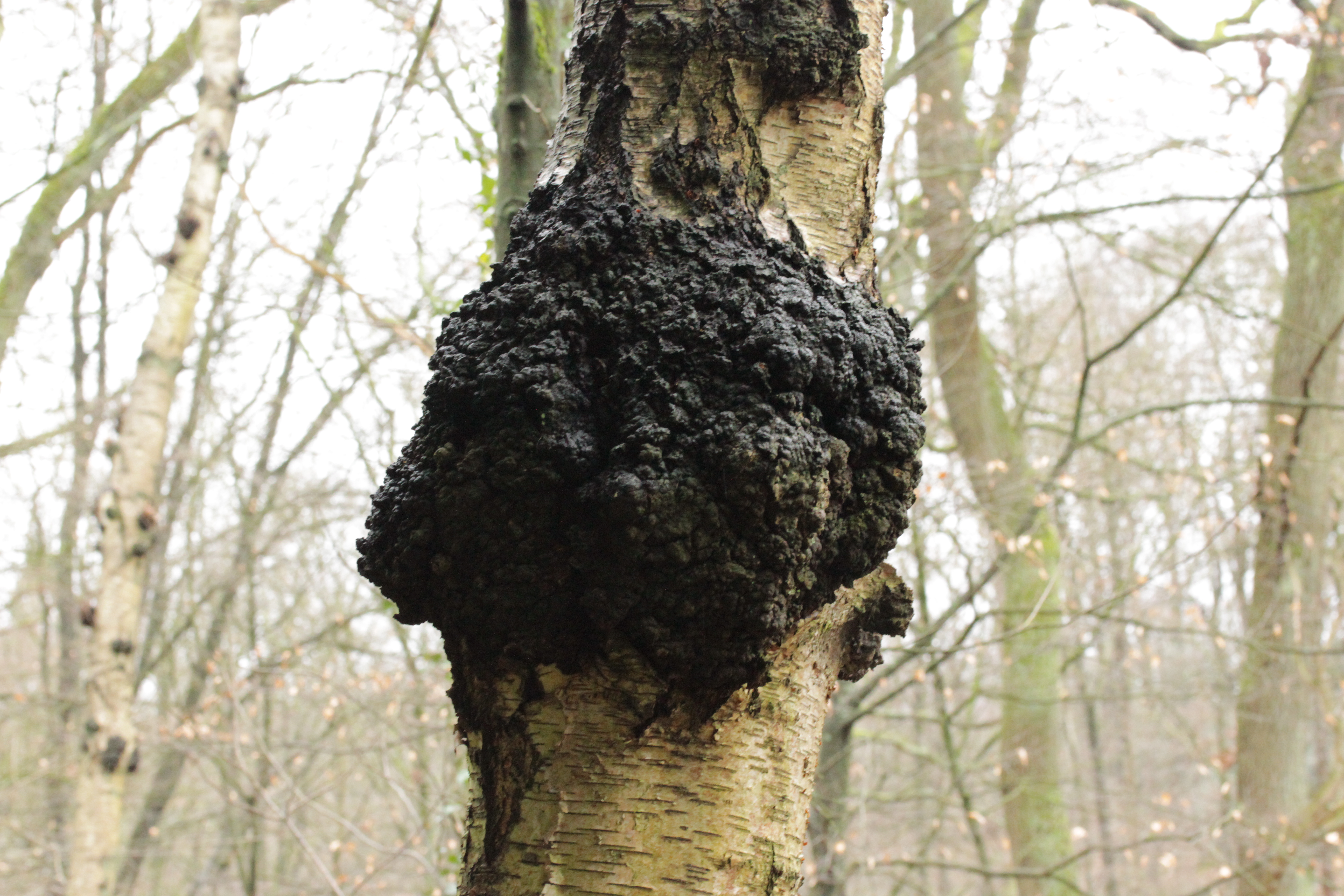
Chaga (Inonotus obliquus)
Chaga is marketed as a potent antioxidant "superfood." Here the safety warning matters more than the (largely absent) benefit.
Not medical advice. For education only. Chaga carries a real kidney risk — read the safety section carefully and talk to a clinician before use.
What the evidence shows
Chaga's antioxidant, anti-inflammatory and anti-cancer claims come almost entirely from laboratory and animal studies. There are no good human efficacy trials. These claims should be treated as preclinical and traditional, not proven.
Evidence level: preclinical only.
⚠️ A real kidney warning
Chaga is very high in oxalates, and there are documented human cases of kidney damage — including kidney failure — after prolonged, high-dose use. Anyone with kidney disease, a history of kidney stones, or who takes high-dose vitamin C (which raises oxalate load) should avoid it. Chaga may also lower blood sugar (additive with antidiabetic drugs) and have antiplatelet effects (bleeding risk with blood thinners). Avoid in pregnancy and breastfeeding.
How it's used
Chunks or tea, extract powder, dual-extract and tinctures. Given the absence of efficacy evidence and the real kidney risk, this is the functional mushroom to approach with the most caution.
Quality notes
If used at all, favour characterised extracts with a third-party COA — but the safety considerations above outweigh quality questions here.
Sources
- Chaga-induced oxalate nephropathy — case report, 2022 (PubMed 35451393).
- End-stage renal disease after long-term Chaga ingestion — case report and review (PubMed 32419395).
Explore the other medicinal mushrooms or our full plant catalogue.