
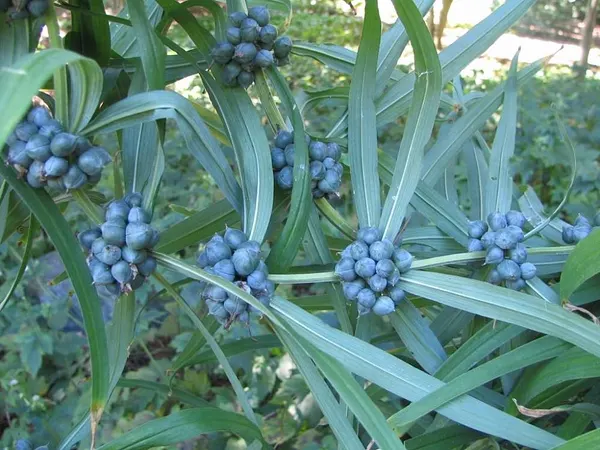
Solomon's-seal (Plateau) / huang jing
Polygonatum cirrhifolium
Edible plantPhoto credit: Photo by David J. Stang
Safety information
Safety information
Toxicity: Low once properly processed/cooked. Raw rhizome can irritate the throat/GI tract (needle-like calcium-oxalate/saponins) — processing is traditional.
Contraindications: Use processed/cooked form; pregnancy data limited for medicinal doses.
Interactions: Theoretical additive effect with antidiabetics (glucose-lowering); limited evidence.
Pregnancy & breastfeeding: Pregnancy data limited for medicinal doses.
Evidence level
Supported by laboratory or animal studies; not yet confirmed in humans.
Preparations
decoction · rhizome
Part used: rhizome
powder · rhizome
Part used: rhizome
processed (steamed) rhizome tonic · rhizome
Part used: rhizome
cooked (steamed/boiled) · rhizome
Part used: rhizome
Traditional use: yin/strength-nourishing tonic; weakness, dry cough, fatigue; restorative food-medicine eaten as starchy tonic after processing
Proposed mechanism: polysaccharides (immunomodulatory), steroidal saponins, flavonoids, lectins — anti-fatigue, immune-supporting, glucose-lowering; raw rhizomes irritant
Dosage note (descriptive only): traditional steaming/processing reduces irritancy
Associated conditions
Edibility
Edible parts: Rhizome eaten COOKED/STEAMED (processed) as a tonic food; raw is irritant.
Toxic lookalike warning
Solomon's-seal (Polygonatum) is dangerously similar to the highly toxic lily-of-the-valley (Convallaria majalis) and to Arum-type plants — confirm botanical identity precisely before any use; do not forage if unsure.
Nutritional notes
Starchy tonic rhizome with polysaccharides; functional-food role after processing.
Healing traditions
Related plants
Sources (1)
- Fu et al. 2025, J Ethnobiol Ethnomed (PMID 41153016)
Sourcing & resources
Affiliate links — we may earn a small commission at no extra cost to you.